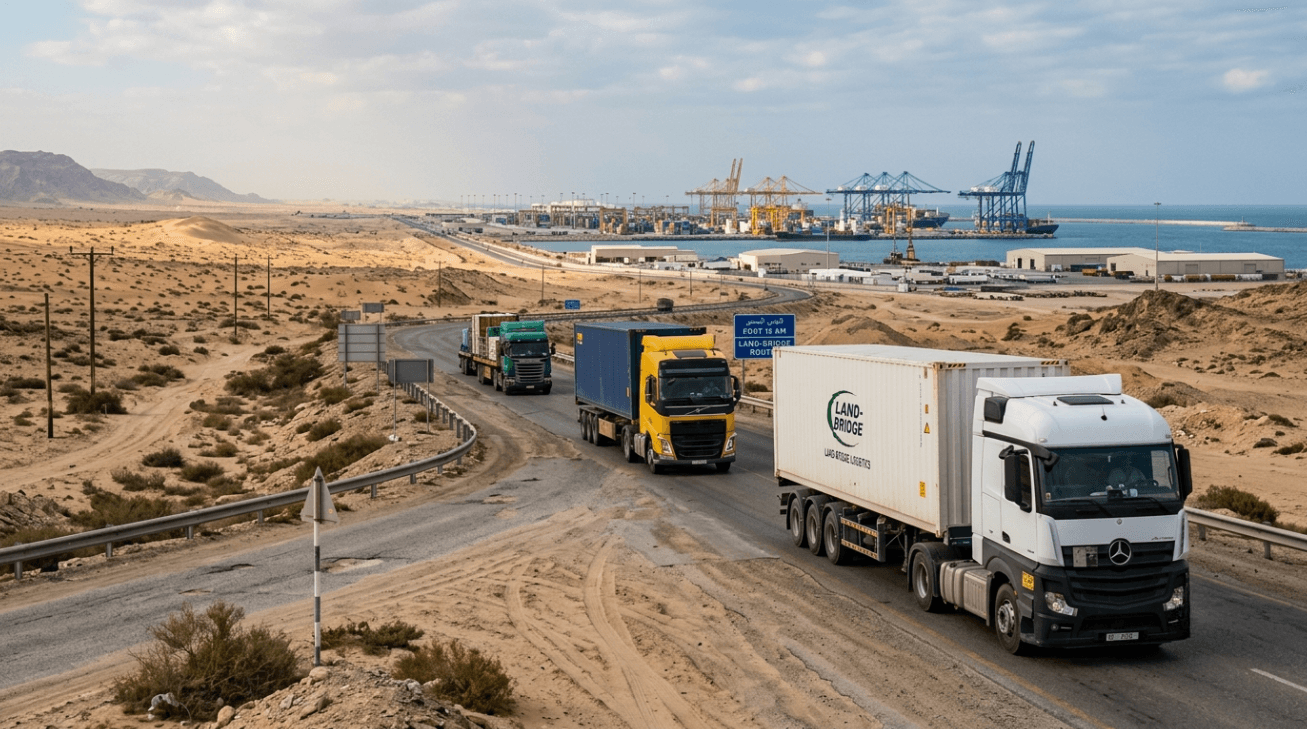
Kuehne+Nagel CEO Stefan Paul has indicated that the landbridge connecting Gulf states is not a sustainable alternative to maritime routes through the Strait of Hormuz. This assessment comes as tanker attacks in the region have reportedly resumed, exacerbating security concerns for shipping. Concurrently, the port of Jeddah is experiencing significant congestion, further complicating logistics in the area.
For freight forwarders and operations managers, this means that while landbridge options might offer a theoretical alternative, their practical viability is severely limited by existing infrastructure constraints and geopolitical instability. The congestion at key ports like Jeddah can lead to delays, increased dwell times, and potential demurrage charges, impacting supply chain efficiency and costs. The continued instability in the Strait of Hormuz region also necessitates ongoing vigilance regarding war risk premiums and potential rerouting strategies, which can add significant costs and transit times. Forwarders should continue to monitor the security situation closely and factor in potential disruptions when planning shipments through or around the Middle East.