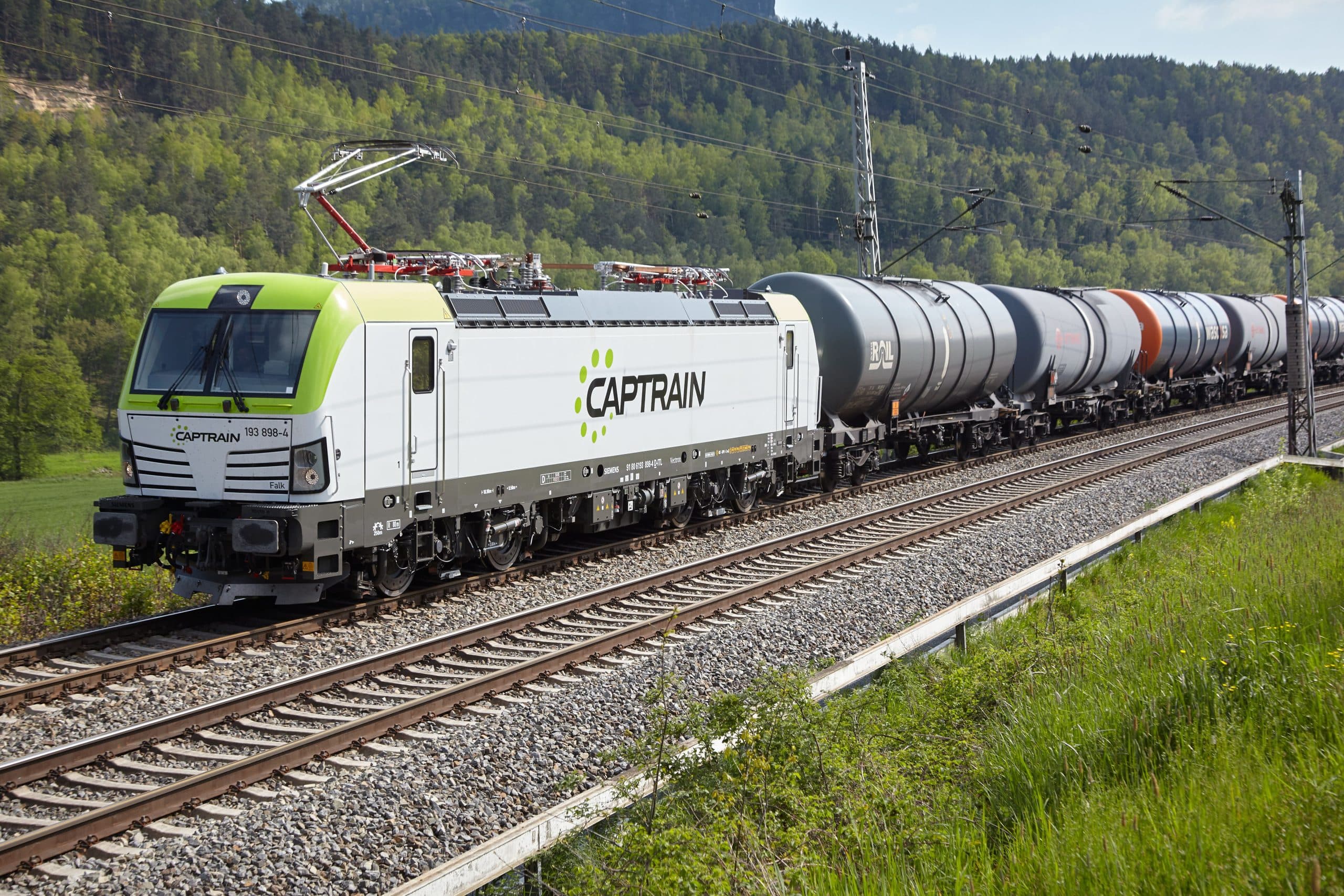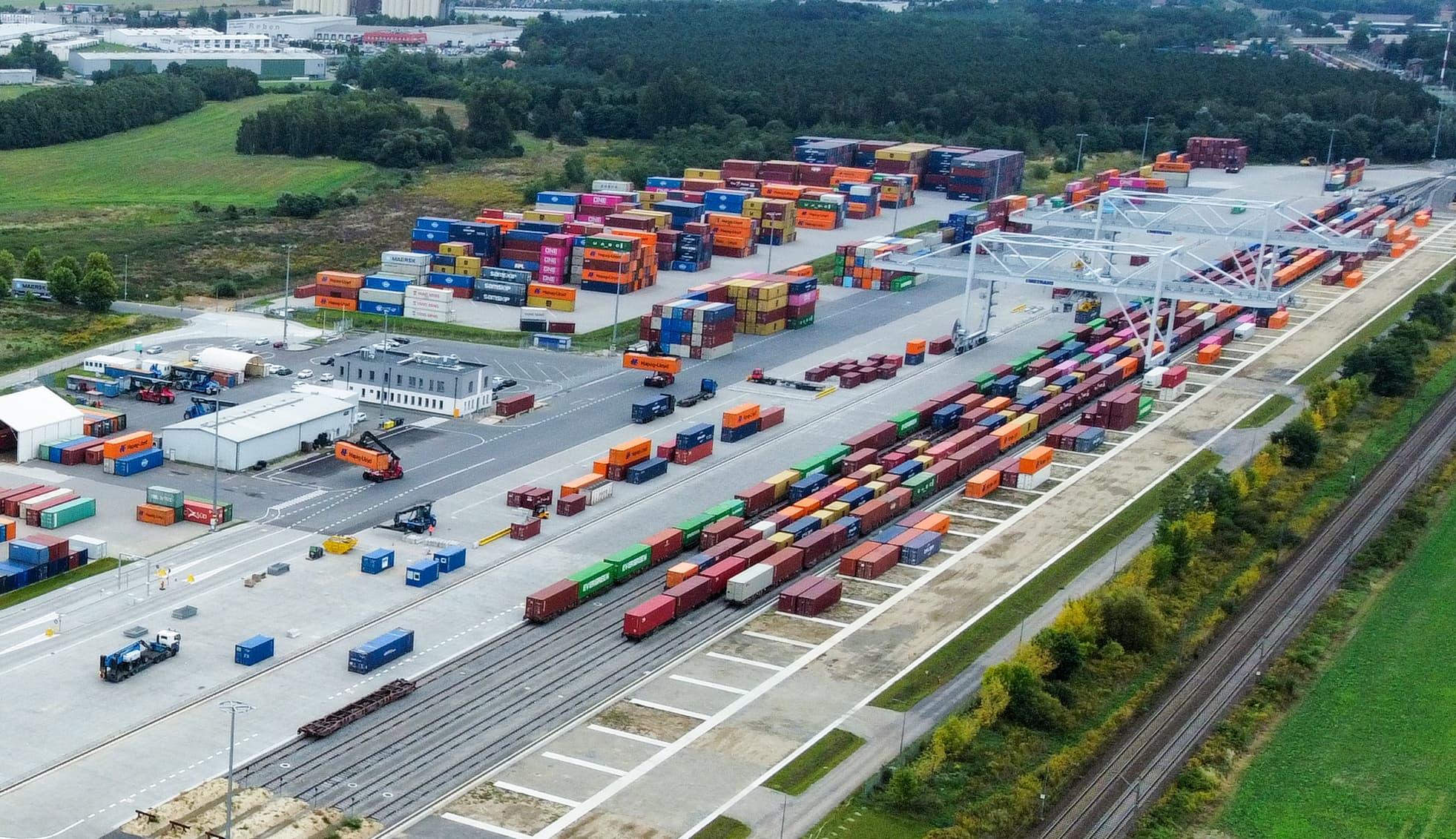
Italian rail freight volumes continued their downward trend in the first half of 2026, registering an 8.1% decrease in train-kilometres compared to the same period last year. This marks a sustained period of contraction for the sector, which has been struggling with various operational and economic pressures. The consistent decline suggests that underlying issues are not being resolved, leading to a prolonged slump in rail cargo movement across the country.
For freight forwarders and operations managers, this sustained decline in Italian rail freight volumes signals potential shifts in domestic transport strategies. Reduced rail capacity utilization might lead to increased reliance on road transport for inland distribution within Italy, potentially impacting lead times and costs. Forwarders should monitor the situation closely for any capacity constraints or rate adjustments on alternative modes, and consider diversifying their inland logistics partners to mitigate risks associated with the struggling rail sector.