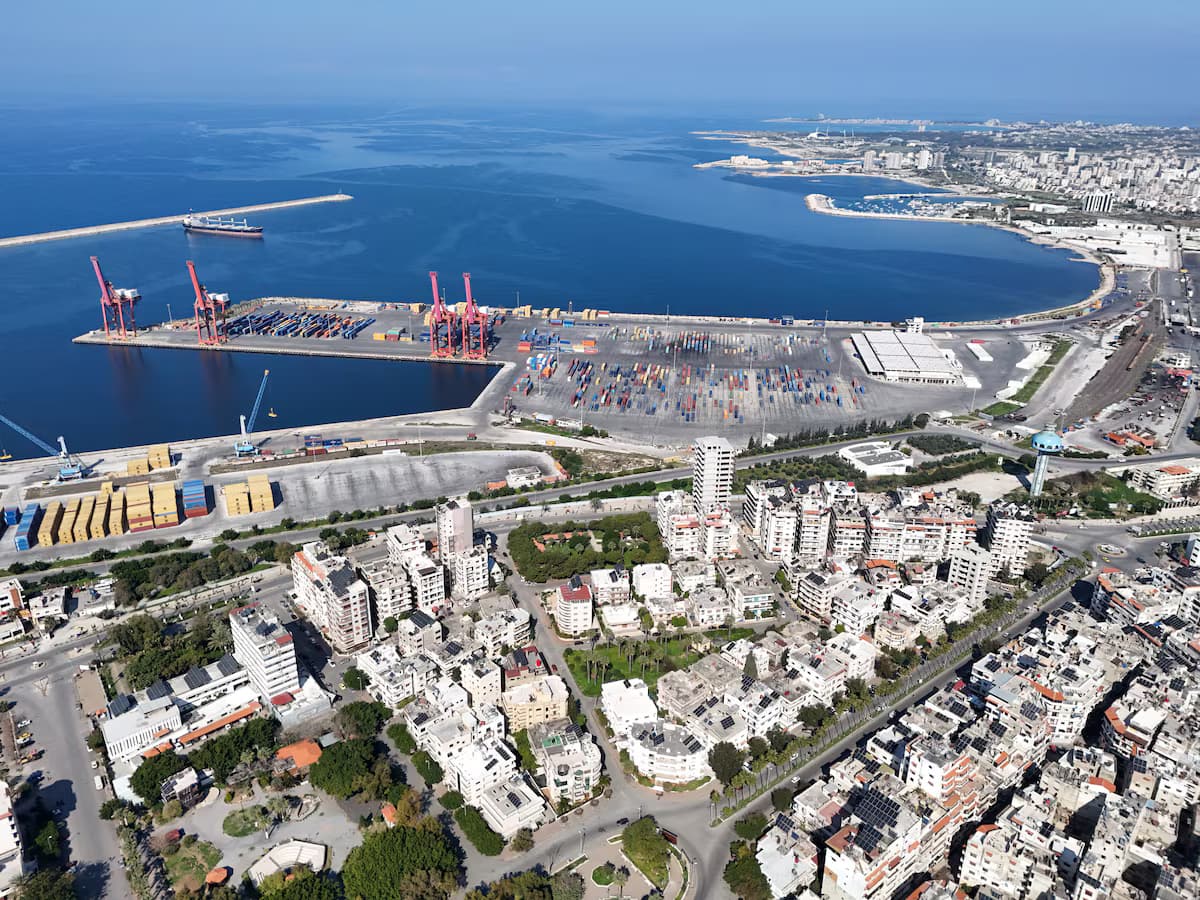
Iraq is preparing to sign an agreement with Syria regarding the development of new oil pipelines. These pipelines are intended to connect Iraq's oil production facilities directly to international export markets through the Mediterranean Sea. The initiative seeks to establish a more direct and potentially more secure route for Iraqi crude oil, bypassing existing logistical challenges.
For freight forwarders and logistics professionals, this development signifies a potential shift in energy logistics. While not directly impacting container or general cargo, large-scale infrastructure projects like this can influence regional stability and investment, indirectly affecting trade flows. The construction phase itself will involve significant project cargo and heavy-lift logistics, creating opportunities for specialized forwarders. Once operational, it could alter tanker traffic patterns in the Eastern Mediterranean and potentially reduce reliance on other export routes.
This agreement represents a strategic move by Iraq to bolster its energy export infrastructure and ensure more efficient access to global buyers. The project's success hinges on the political and security stability in the region, which remains a critical factor for such cross-border initiatives.