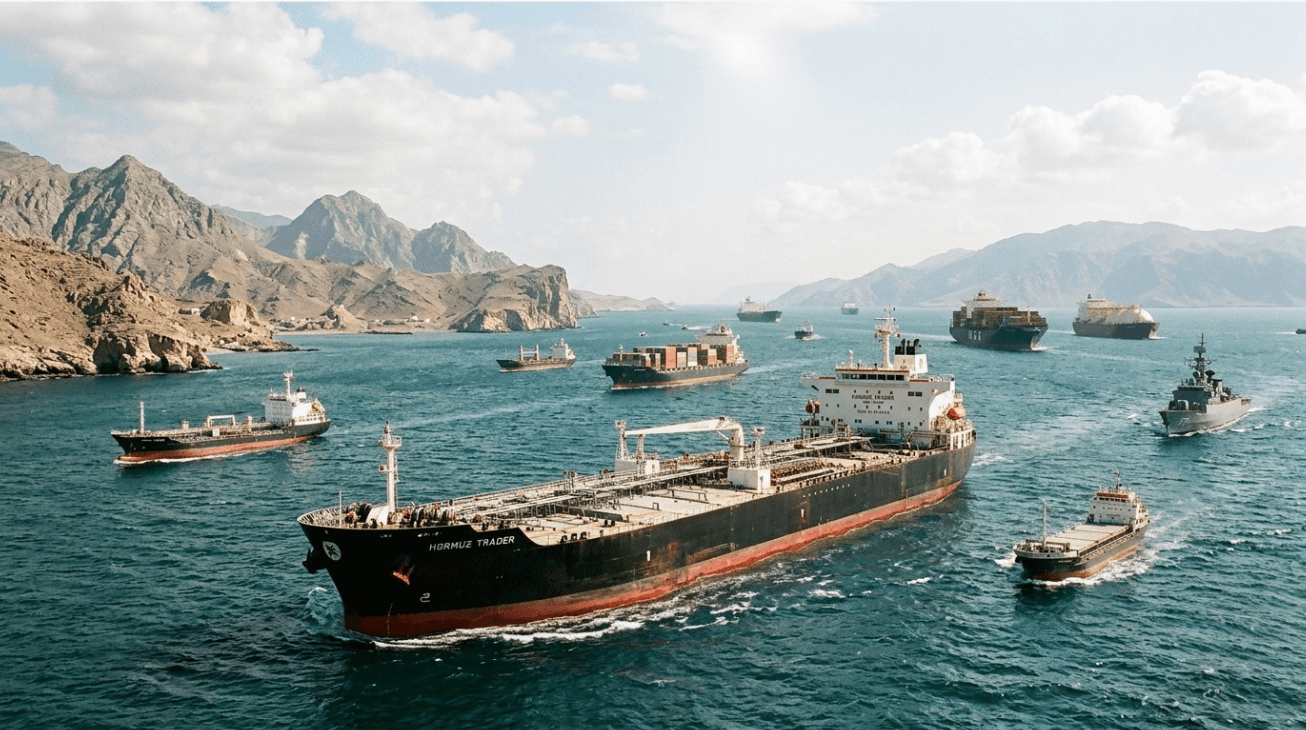
Iran has initiated security discussions with Saudi Arabia and Oman concerning the Strait of Hormuz. This development comes as the region faces significant maritime challenges, including continued tanker attacks and the stranding of an estimated 6,000 seafarers within the Persian Gulf. The critical chokepoint is currently inaccessible for commercial traffic, lacking any designated safe corridors.
For freight forwarders and operations managers, the ongoing instability in the Strait of Hormuz presents substantial risks and operational hurdles. The closure to commercial traffic means that all shipments transiting this vital waterway are either halted or forced to seek alternative, often longer and more expensive, routes. This directly impacts transit times, increases fuel costs, and necessitates higher war risk insurance premiums, leading to elevated freight rates for shippers. Furthermore, the uncertainty surrounding the safety of vessels and crew in the region complicates scheduling and capacity planning, potentially causing delays and disruptions across global supply chains.
The discussions between Iran, Saudi Arabia, and Oman aim to address the security concerns, but the immediate impact on commercial shipping remains negative. Until a secure passage is re-established, forwarders must continue to factor in significant surcharges and potential diversions for any cargo destined for or originating from the Persian Gulf region.