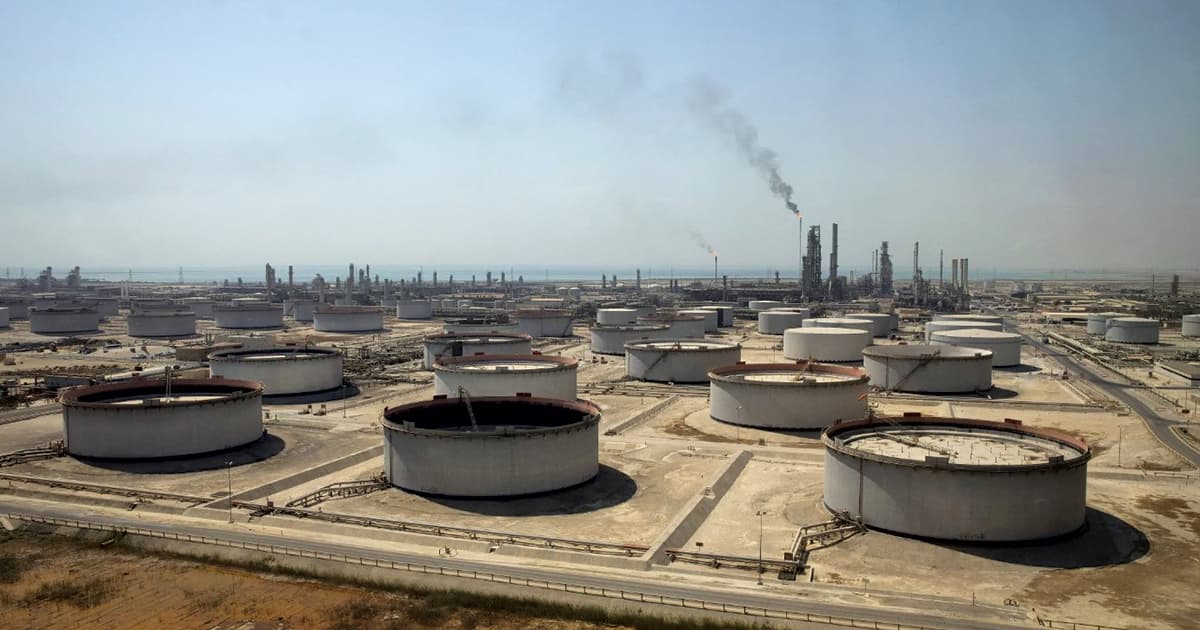
The International Energy Agency (IEA) has highlighted that rising hostilities across the Middle East are contributing to heightened concerns about the reliability of global oil supplies. Although oil exports from the Gulf region are currently lower than their peak in late June, they still significantly exceed the volumes observed between early March and mid-June.
This situation means that while there isn't an immediate crisis in supply, the geopolitical instability in a key oil-producing region creates a precarious outlook. Any further escalation could lead to disruptions in production or shipping routes, directly impacting the availability of crude oil and refined products.
For freight forwarders and logistics professionals, this translates into potential volatility in bunker fuel prices. Increased oil supply concerns often lead to higher crude oil prices, which in turn drive up the cost of marine fuels (bunkers). Forwarders should monitor the situation closely as sustained or increased tensions could result in higher operational costs for ocean carriers, likely passed on through fuel surcharges. This could affect overall freight rates and budgeting for shipments, particularly on long-haul routes reliant on stable fuel costs.