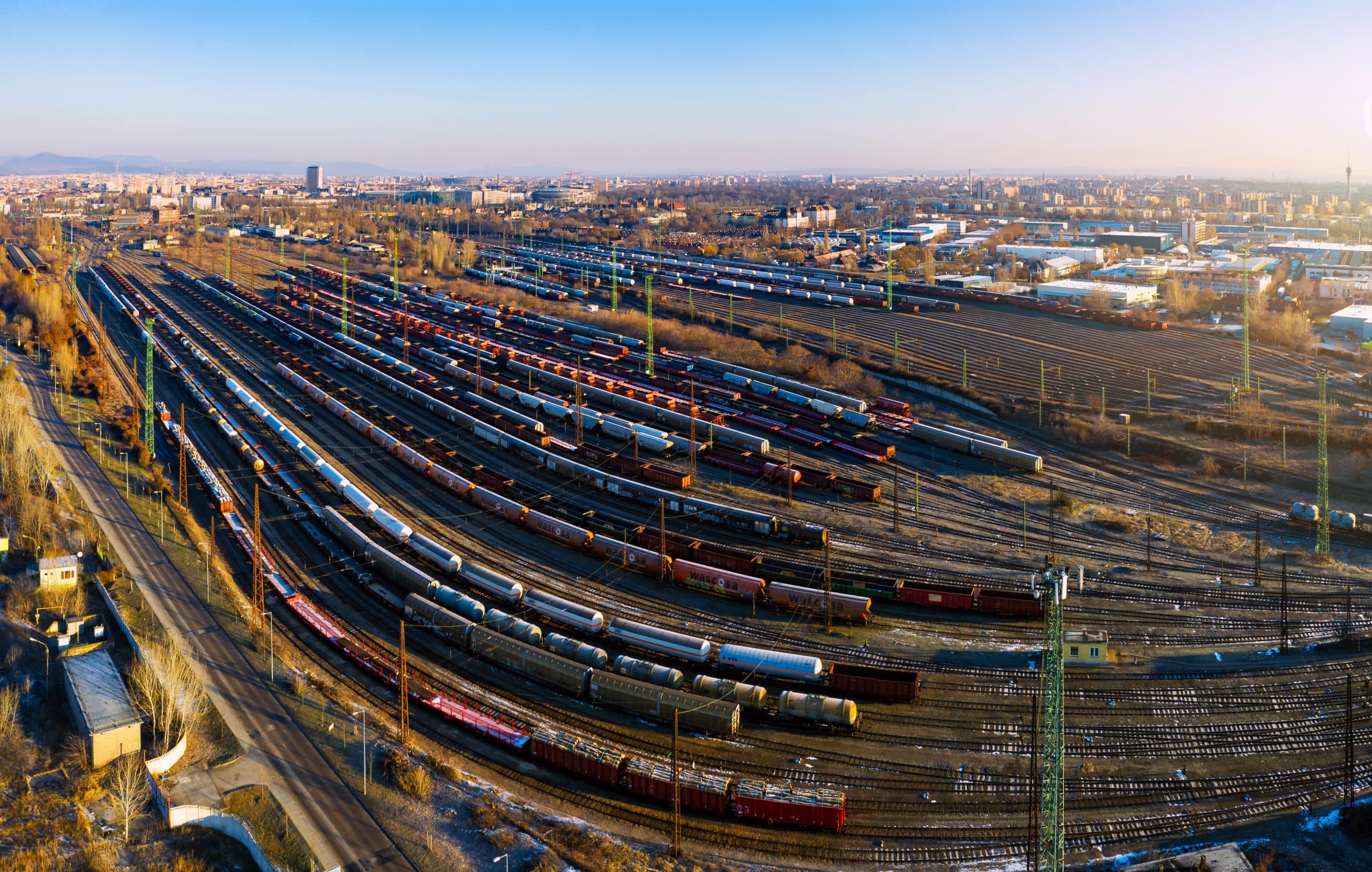
Hungary's rail freight market is currently experiencing a significant downturn, marked by a third consecutive year of declining demand. This reduction in volume, coupled with escalating operational expenses, is severely impacting the profitability of rail freight operators in the country. Even the benefit of cheaper energy costs has not been enough to offset these challenges.
The primary drivers behind the deteriorating financial situation include a substantial increase in infrastructure access charges and rising labor costs. These factors are pushing up unit costs for operators, making it difficult to maintain margins in a shrinking market. The persistent decline in demand further exacerbates these issues, creating a challenging environment for the sector.
For freight forwarders and logistics professionals, this situation in Hungary could lead to several implications. Reduced profitability for rail operators might result in service adjustments, such as fewer available routes or less frequent trains, potentially affecting transit times and capacity for shipments moving through or within Hungary. Forwarders may also see upward pressure on rail freight rates as operators attempt to recover rising costs. Supply chain analysts should monitor the stability of rail services in the region, considering alternative modes or routes if rail reliability or cost-effectiveness diminishes.
There is no specific information in the source about what steps will be taken next to address this decline.