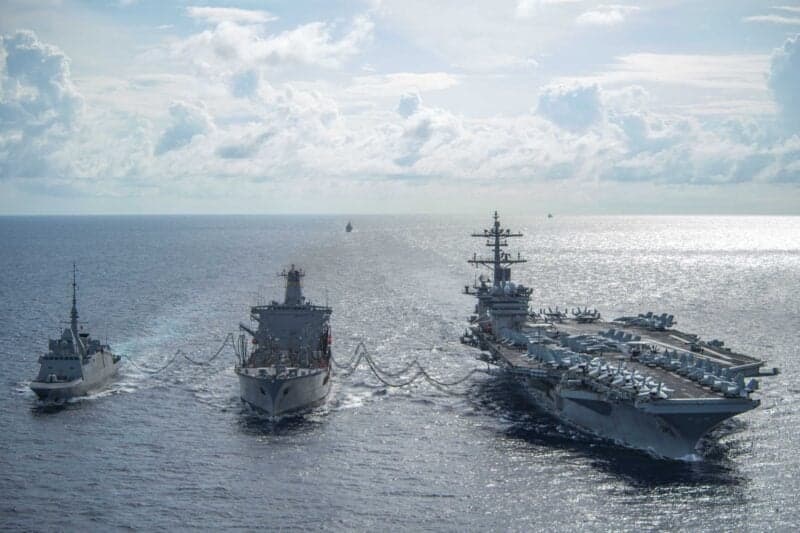
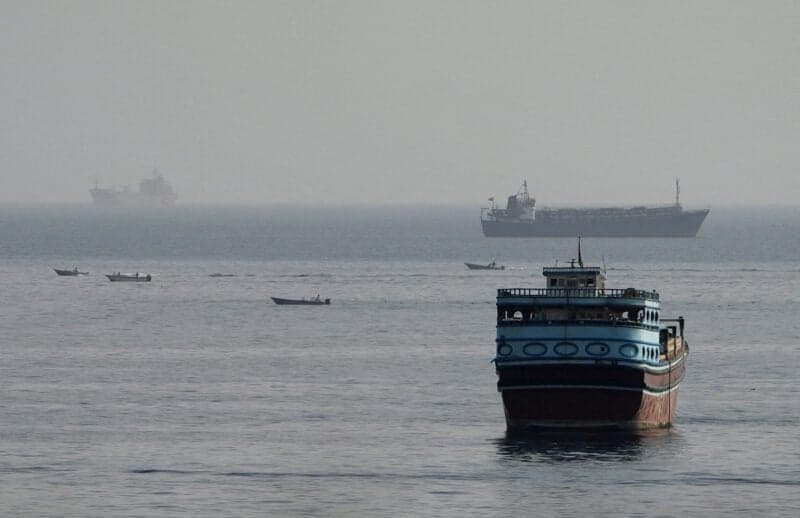
Geopolitical fragmentation, growing concerns over energy security, and the emergence of rival trade blocs are significantly altering the operational landscape for global shipping markets. Discussions at a recent Baltic Exchange panel highlighted an environment of increasing volatility, a trend towards regionalization, and heightened strategic competition among major global powers. Despite these disruptive forces, there was a consensus that overall global trade volumes and the underlying demand for shipping services are expected to persist.
For freight forwarders and operations managers, this evolving landscape means navigating increased complexity. Routing decisions may become more sensitive to geopolitical risks, potentially leading to longer transit times or higher insurance premiums for certain trade lanes. The emphasis on regionalization could also foster the development of new, shorter trade routes and localized supply chains, impacting traditional east-west flows. Forwarders will need to enhance their risk assessment capabilities and maintain flexible logistics strategies to adapt to sudden shifts in trade policies or regional conflicts. This environment underscores the importance of diversified carrier relationships and robust contingency planning to mitigate potential disruptions and manage costs effectively.