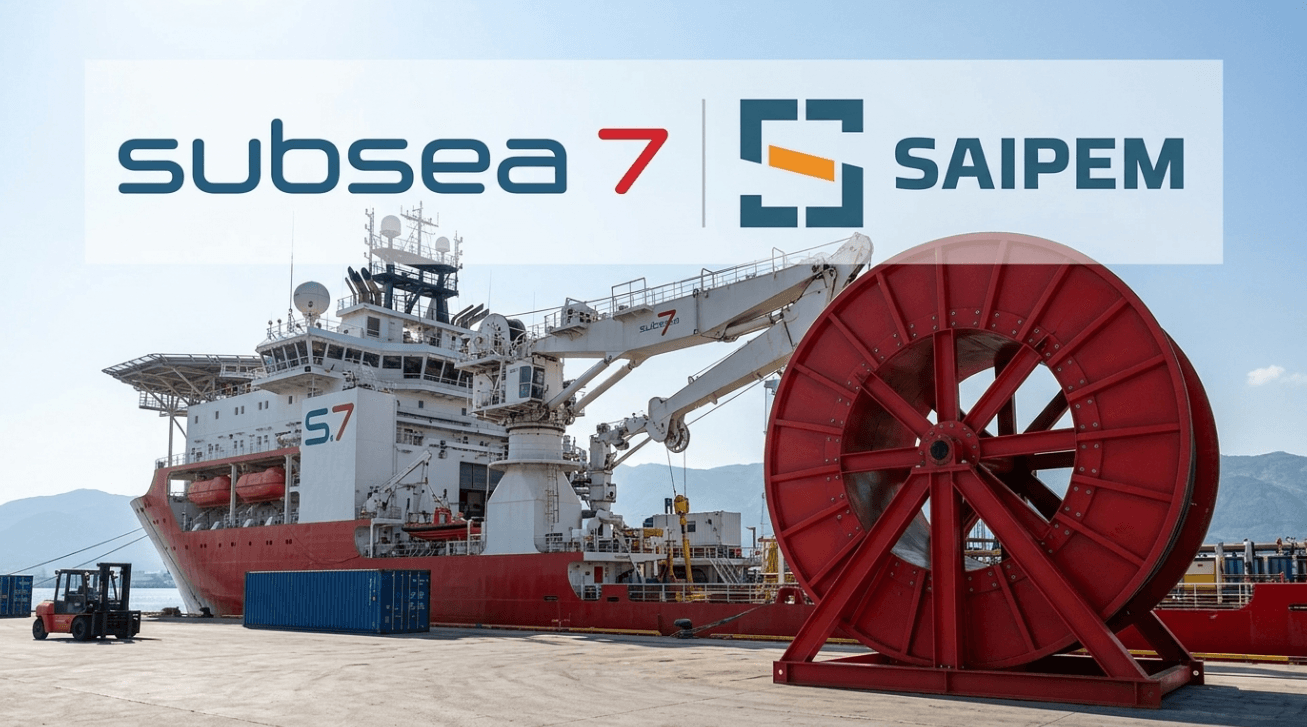
European Union antitrust authorities have commenced a Phase II investigation into the planned USD 20 billion merger between energy contractors Saipem and Subsea 7. The primary concern is that combining these two major players could significantly reduce competition in the market for subsea umbilical, riser, and flowline (SURF) services, potentially leading to higher prices and less innovation.
The subsea services sector is crucial for offshore energy projects, including oil and gas, and increasingly, offshore wind. The European Commission's in-depth review will assess whether the merger would create a dominant entity, thereby harming customers and the overall market. Both companies are key providers of engineering, procurement, construction, and installation (EPCI) services for complex underwater infrastructure.
For freight forwarders and logistics professionals involved in the offshore and project cargo sectors, this investigation signals potential uncertainty. A blocked merger could mean continued competition among service providers, potentially benefiting shippers through more competitive pricing for project logistics. Conversely, if the merger proceeds with conditions, it might reshape the competitive landscape, influencing procurement strategies for large-scale energy projects. The outcome could affect the demand for specialized heavy-lift and project cargo transport services, as major EPCI contractors drive significant volumes in this niche.
The European Commission is expected to issue its decision by November 2026. The outcome will be closely watched by stakeholders across the maritime, energy, and project cargo industries.