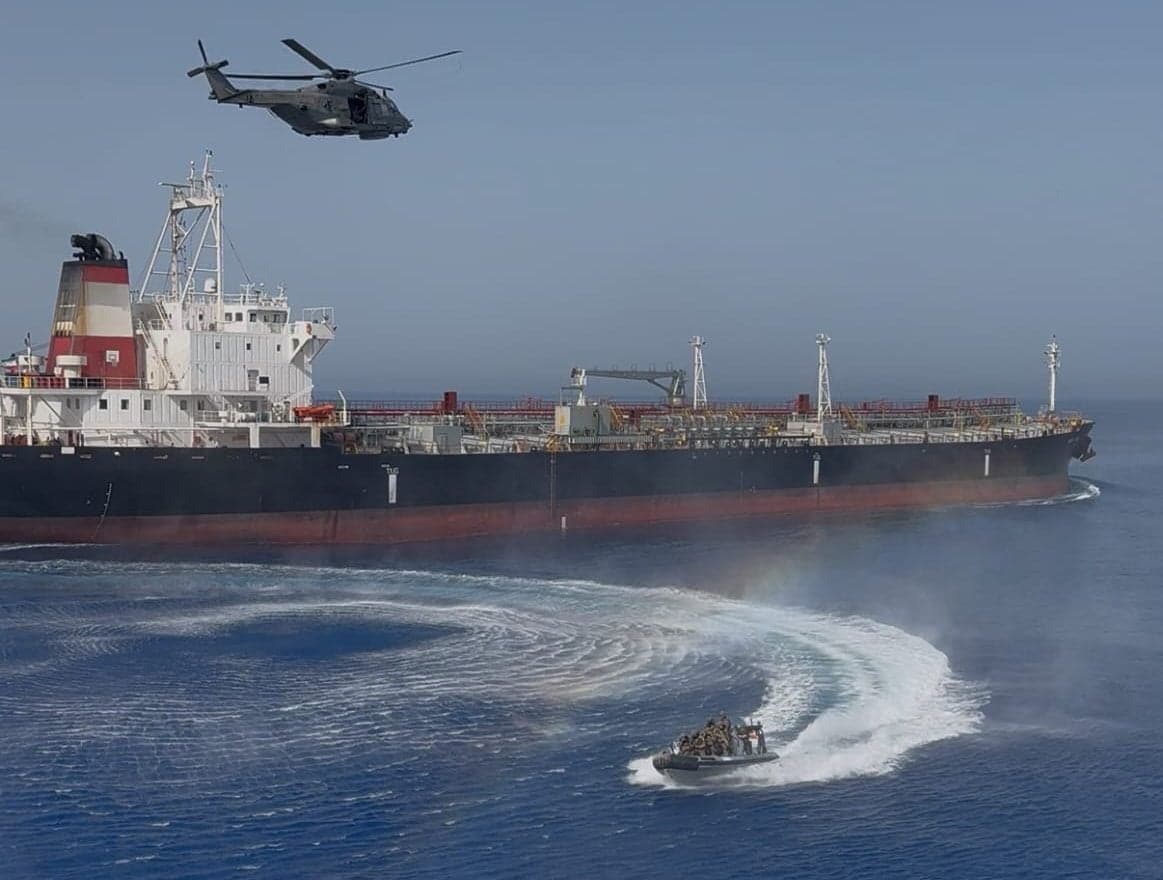
The European Union's naval forces recently boarded a tanker identified as part of Russia's shadow fleet. This incident underscores Brussels' growing commitment to utilizing its naval assets to challenge vessels suspected of operating under false flags, particularly those circumventing sanctions.
This action is part of a broader strategy by the EU to enhance maritime security and enforce sanctions against Russia, which have led to the emergence of a 'shadow fleet' of older vessels often operating with opaque ownership structures and less stringent safety standards. The EU's increased vigilance aims to disrupt these operations and ensure compliance with international regulations.
For freight forwarders and shippers, this development signals a heightened risk environment for any cargo moved on vessels with unclear ownership or those suspected of being part of the shadow fleet. It could lead to increased scrutiny, potential delays, and additional compliance checks, particularly for routes involving EU waters. Forwarders must exercise extreme due diligence in vetting carriers and vessels to avoid inadvertently engaging with sanctioned entities or non-compliant operations, which could result in significant penalties or cargo disruptions.
While the source does not specify immediate next steps, the ongoing trend suggests that the EU will continue to employ its naval capabilities to monitor and intercept vessels deemed non-compliant, further tightening the operational space for the shadow fleet.