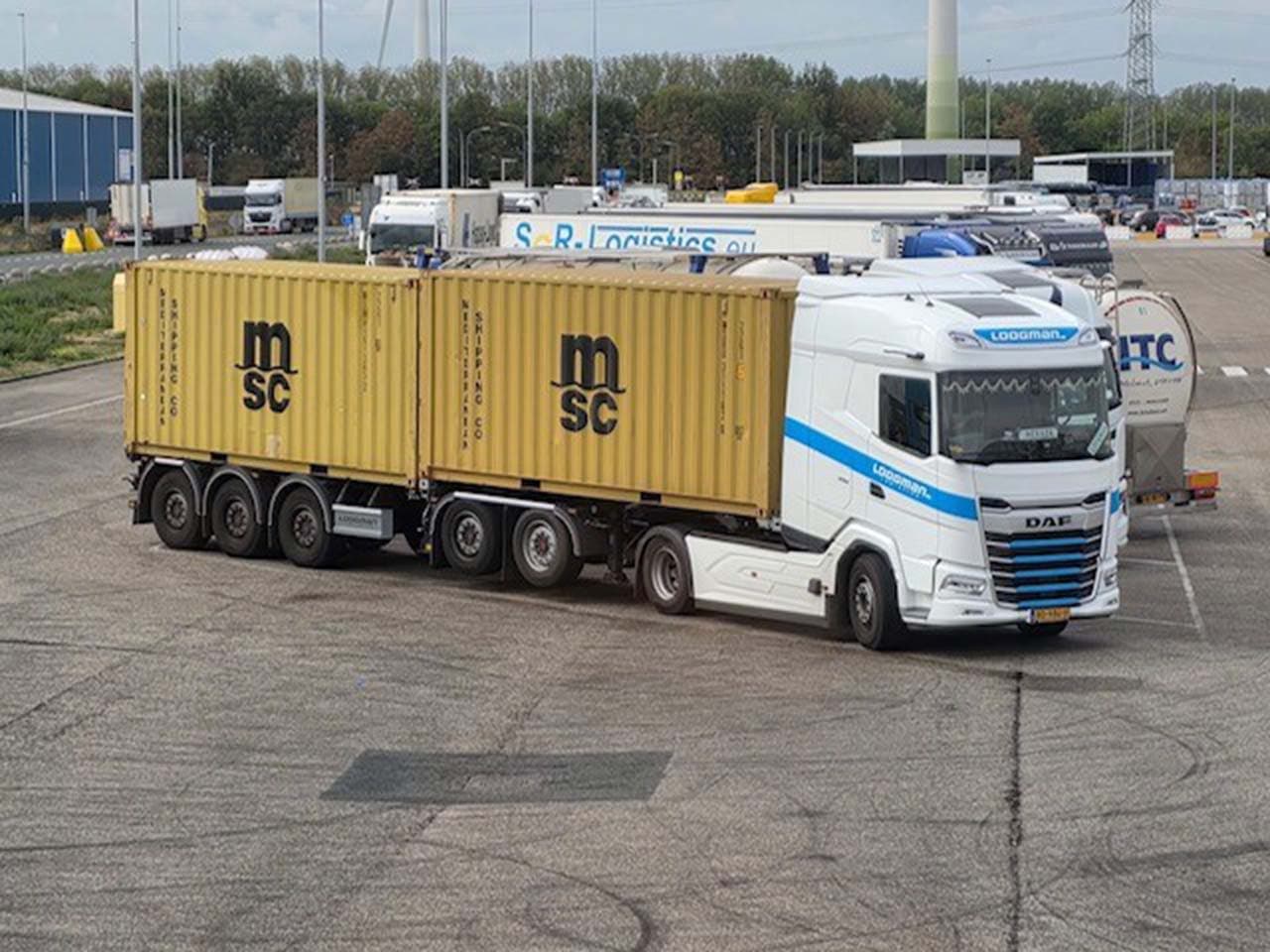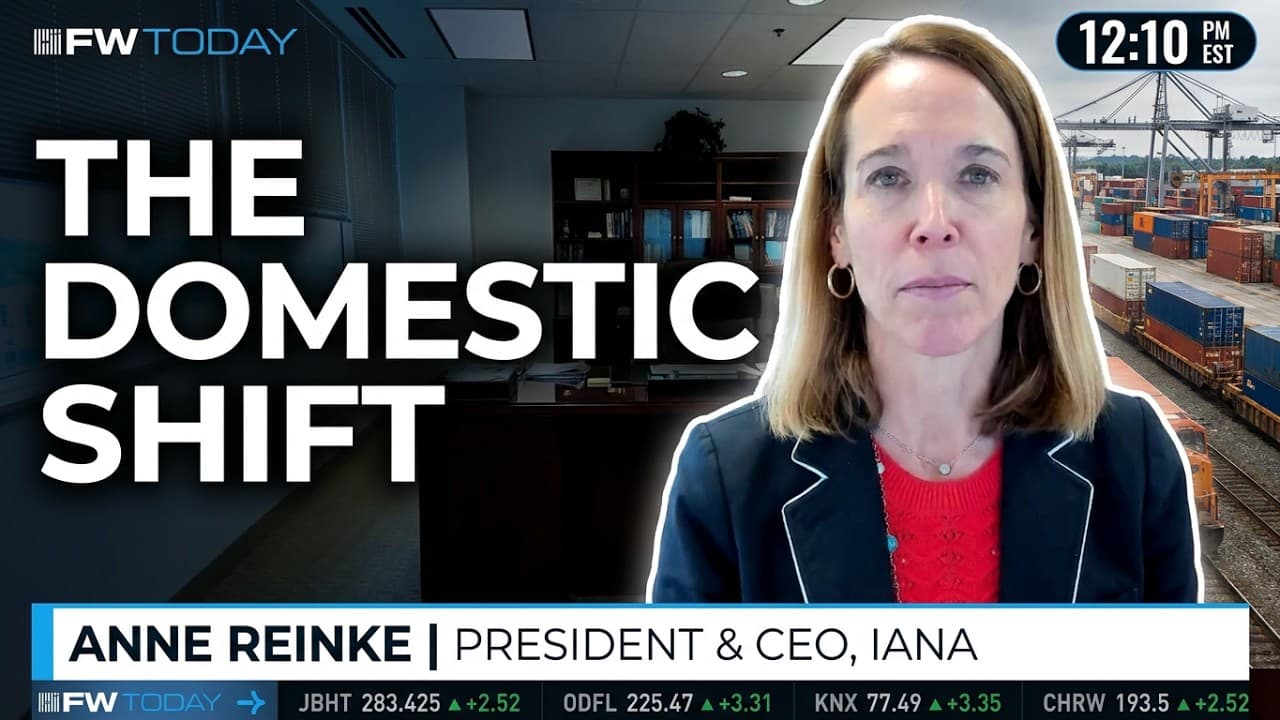
Intermodal freight volumes are currently seeing a substantial increase, with domestic shipments emerging as the primary catalyst for this expansion. Anne Reinke, President & CEO of the Intermodal Association of North America (IANA), highlights that this growth is largely insulated from broader market fluctuations due to a combination of favorable supply-side conditions and the prevalence of long-term contractual agreements.
For freight forwarders and operations managers, this trend suggests a more reliable and potentially cost-effective option for inland transportation within North America. The stability offered by long-term contracts can help mitigate risks associated with volatile spot markets, allowing for better planning and budgeting. Increased domestic intermodal capacity could also alleviate pressure on other transport modes, particularly road freight, by offering an alternative for shippers looking to optimize their supply chains. This shift indicates a growing preference among shippers for intermodal services, viewing it as a straightforward solution for their logistics needs.
Looking ahead, the continued strength of domestic intermodal could lead to further investment in rail infrastructure and intermodal facilities, potentially enhancing efficiency and expanding network reach. Forwarders should monitor these developments for opportunities to integrate intermodal solutions more deeply into their service offerings, especially for clients with consistent domestic shipping requirements.