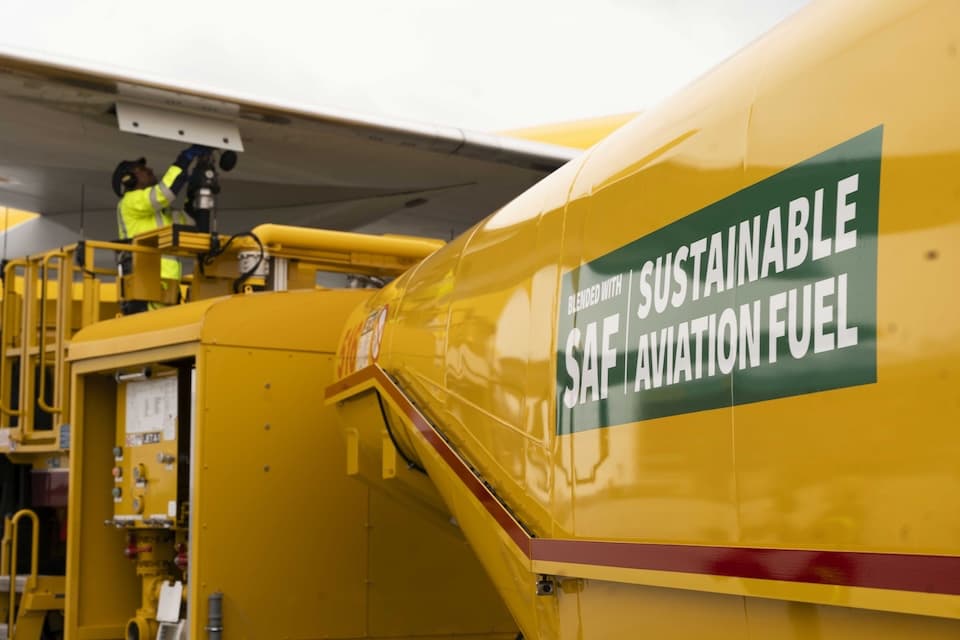
DHL has publicly supported the Science Based Targets initiative's (SBTi) recent endorsement of the 'book and claim' approach for documenting emissions reductions. SBTi, a collaborative effort by the Carbon Disclosure Project, the United Nations Global Compact, the World Resources Institute, and the World Wide Fund for Nature, released Version 2.0 of its framework in June, which includes this new accounting method.
This development is particularly significant for freight forwarders and logistics operators. The 'book and claim' system allows companies to purchase sustainable aviation fuels (SAF) or other green fuels and claim the associated emissions reductions, even if the fuel is physically used by another entity elsewhere in the supply chain. This decoupling of the physical fuel flow from the environmental attribute transfer helps scale the market for sustainable fuels by providing a clear accounting mechanism for investments. For freight forwarders, this means a more transparent and standardized way to report on their decarbonization efforts, potentially influencing client choices and regulatory compliance.
This method is expected to facilitate greater investment in sustainable fuels across the logistics sector, as it provides a credible framework for attributing environmental benefits. It simplifies the process for companies like DHL to demonstrate progress towards their science-based climate targets, even when direct physical control over fuel consumption is not feasible.