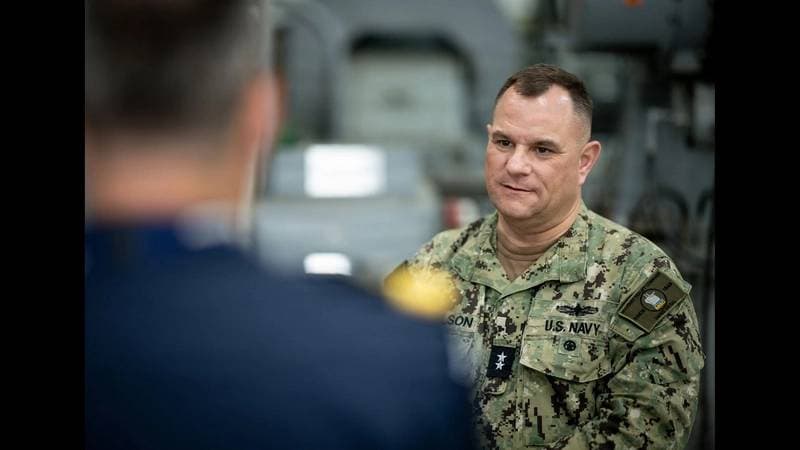
Vice Admiral Ann C. Phillips, Administrator of the U.S. Maritime Administration (MARAD), and Rear Admiral Michael A. St. John, Commander of Military Sealift Command (MSC), recently highlighted the critical need for qualified seafarers to support U.S. economic and national security objectives. During a discussion at the Navy League’s Sea-Air-Space conference, Rear Admiral St. John specifically detailed MSC's efforts to attract and retain mariners by significantly upgrading pay scales and benefits.
The U.S. maritime industrial base, including the Military Sealift Command, is vital for national defense and commercial operations. The ongoing challenge of recruiting and retaining a sufficient number of skilled seafarers has been a persistent concern, impacting the readiness and operational capacity of the U.S. fleet.
For freight forwarders and shippers, a robust U.S. maritime workforce is essential for maintaining reliable supply chains and ensuring the timely movement of goods, particularly for defense-related cargo. Workforce shortages can lead to delays, increased operational costs, and potential disruptions in port operations and vessel availability. MSC's initiatives to bolster its seafarer numbers could contribute to greater stability and predictability in U.S. flagged vessel operations, indirectly supporting commercial shipping by strengthening the overall maritime infrastructure.
The focus on improving seafarer conditions is expected to continue, with ongoing efforts to make maritime careers more appealing and sustainable. This includes not only financial incentives but also career development opportunities and improved living conditions onboard vessels, aiming to secure a long-term, skilled maritime workforce for the nation.