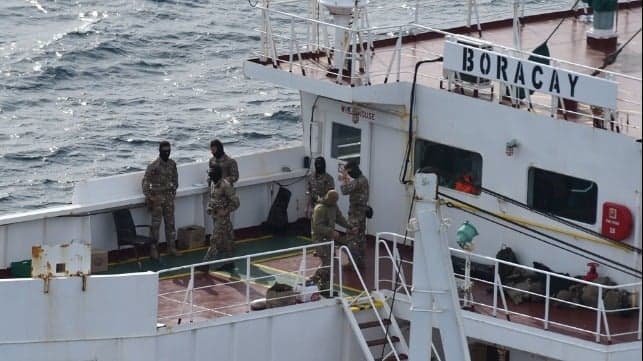
The article highlights the role of covert maritime intelligence in tracking Russia's shadow fleet. This fleet consists of vessels, often older and less maintained, that operate discreetly to circumvent international sanctions and regulations, primarily in the oil trade. Their activities are characterized by a lack of transparency, frequent flag changes, and disabled Automatic Identification Systems (AIS).
For freight forwarders and supply chain managers, the existence and expansion of Russia's shadow fleet introduce significant risks. Cargo moving on such vessels may face increased scrutiny, potential delays, and complications with insurance coverage due to the non-compliant nature of their operations. Forwarders must exercise heightened due diligence to avoid inadvertently engaging with these vessels, which could lead to reputational damage or legal repercussions. The fleet's disregard for safety and environmental standards also raises concerns about potential incidents, which could disrupt trade routes and impact cargo integrity.