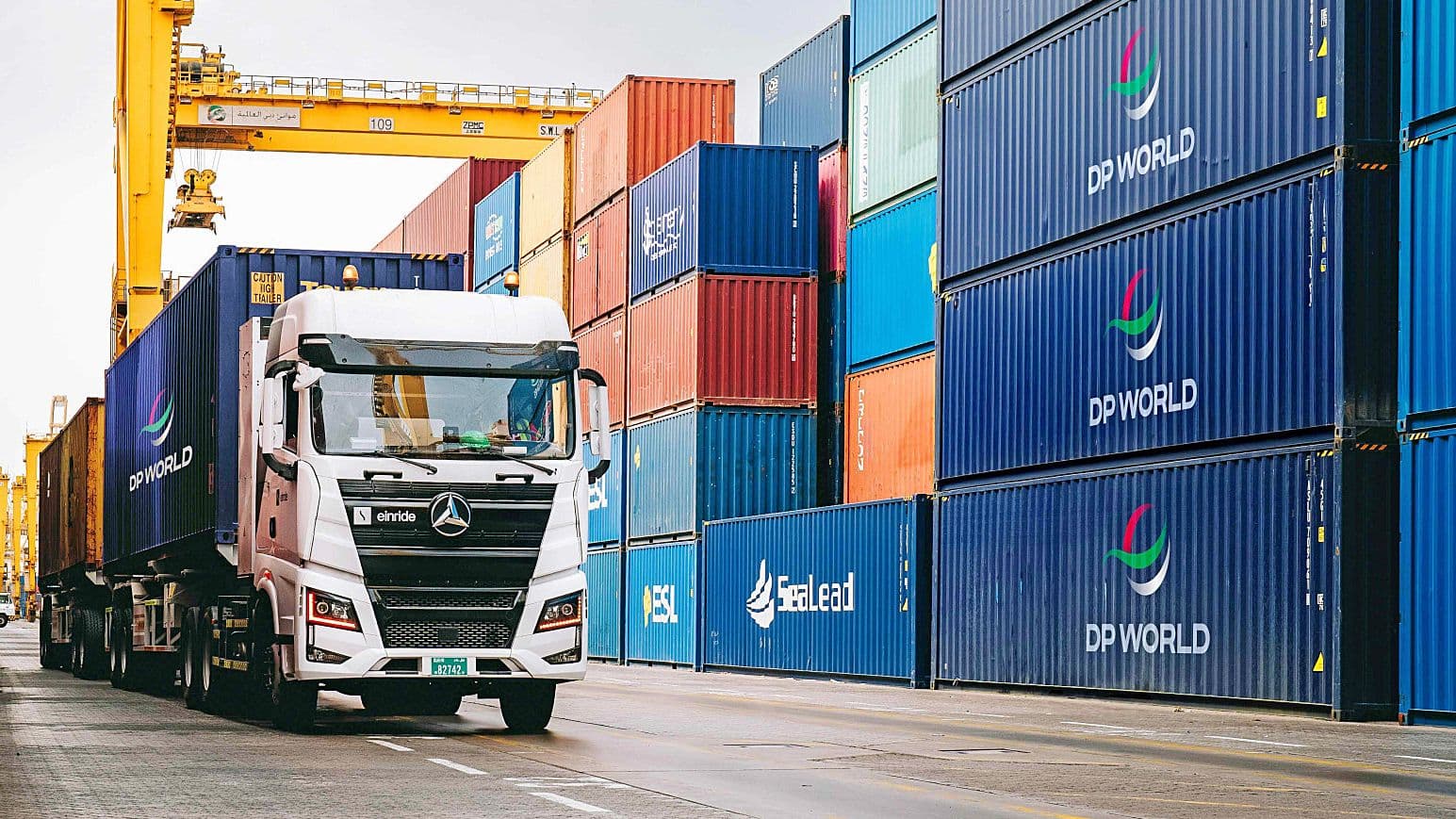
The Zero Emission Ports Alliance (ZEPA) has released new data suggesting a substantial uptake of battery-electric container handling equipment within global port terminals. The organization forecasts that the number of such units could reach 47,000 by the year 2035. This projection highlights a growing trend towards electrification in the port sector, particularly in large-scale operations.
This shift is primarily driven by the maritime industry's increasing focus on decarbonization and reducing emissions within port environments. As ports aim to meet stricter environmental regulations and achieve sustainability targets, the adoption of electric equipment, which produces zero direct emissions, becomes a critical strategy.
For freight forwarders and logistics professionals, this trend signifies a move towards greener supply chains. While not directly impacting immediate shipping rates or capacity, the widespread adoption of electric equipment contributes to the overall environmental performance of ports. This can indirectly support shippers' and forwarders' own sustainability reporting and goals, potentially influencing carrier selection based on green credentials. It also suggests a future where port operations are less susceptible to fossil fuel price volatility for terminal equipment.
ZEPA's findings suggest that the industry is committed to accelerating the transition to cleaner energy sources for port machinery, with continued investment and technological development expected in this area over the coming decade.