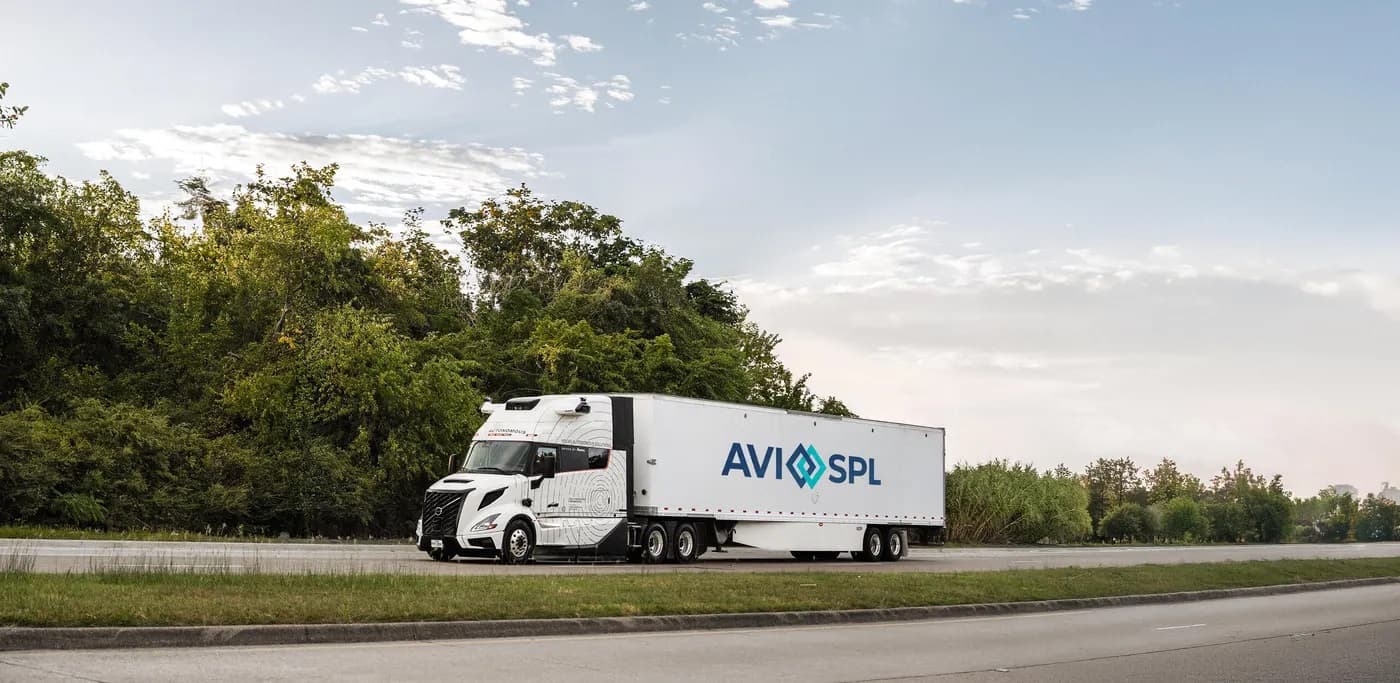
The introduction of autonomous trucking operations in Texas is being highlighted as a significant development for the freight sector, offering a forward-thinking approach to risk management. This move is primarily aimed at mitigating the ongoing challenges associated with driver shortages, which have consistently impacted the industry's capacity and operational stability. By deploying self-driving trucks, companies anticipate a more reliable and efficient method for freight movement, reducing dependency on human drivers for certain routes.
For freight forwarders and operations managers, this development could signal a gradual shift in inland transportation strategies. While widespread adoption will take time, the expansion of autonomous routes offers potential benefits such as improved schedule reliability and potentially more stable pricing on these specific lanes, as operational costs related to driver wages and hours of service regulations may decrease. Forwarders might consider integrating these autonomous services into their network planning for specific Texas corridors, especially for long-haul segments where driver availability is a critical factor. It also presents an opportunity to re-evaluate risk profiles for ground transportation, potentially leading to more predictable transit times and reduced exposure to labor-related disruptions.
Looking ahead, the success and expansion of these autonomous routes in Texas could serve as a blueprint for other regions, influencing future infrastructure investments and regulatory frameworks for self-driving vehicles in logistics.