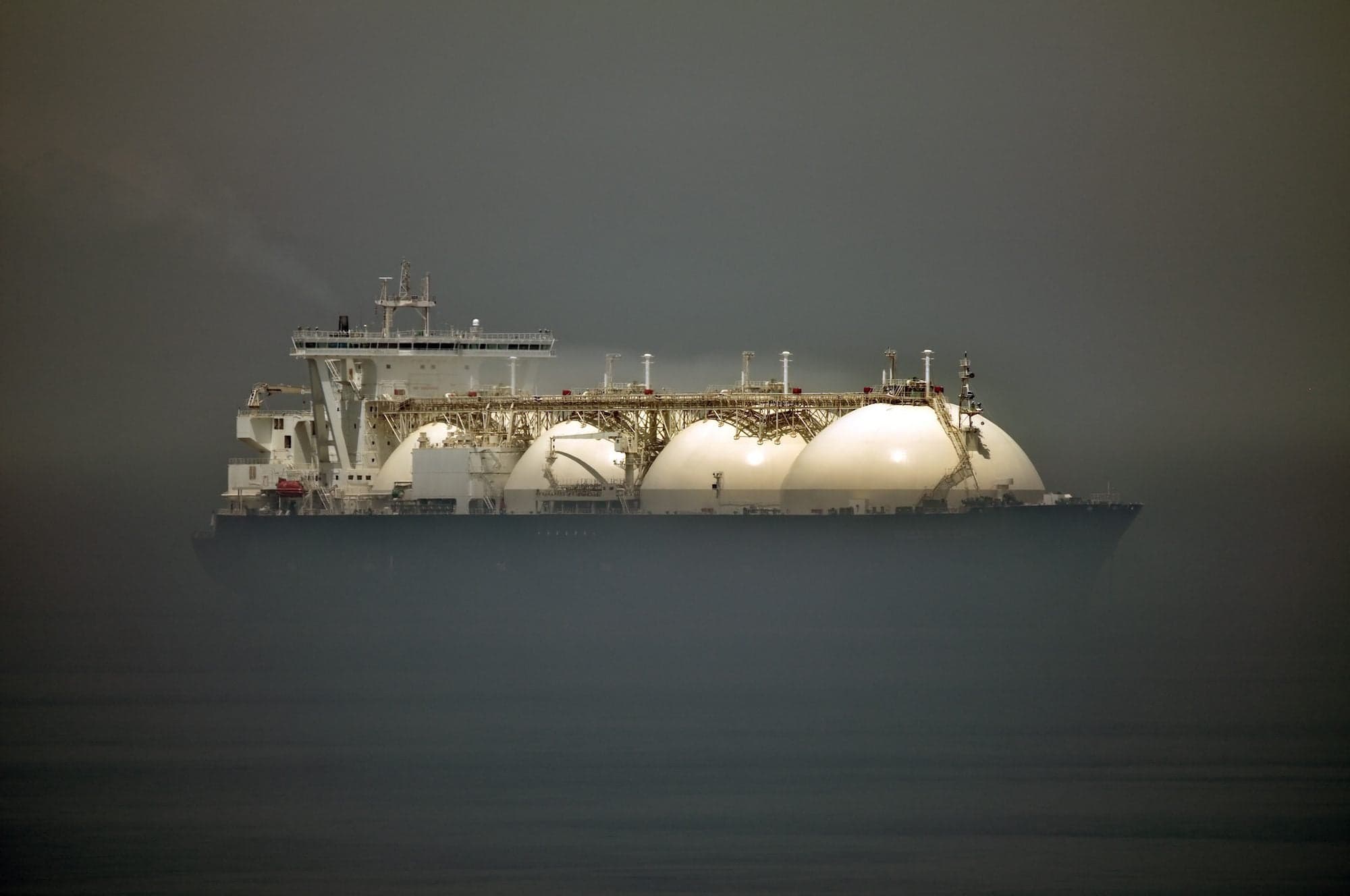
The unprecedented growth in global liquefied natural gas (LNG) supply, largely driven by projects in the United States and Qatar, faces a potential slowdown. According to an analysis by Wood Mackenzie, the primary bottleneck is the shipbuilding industry, which is overwhelmingly concentrated in Asian nations. The specialized nature of LNG carrier construction means only a few shipyards possess the necessary expertise and facilities.
This concentration of shipbuilding capacity, combined with a surge in demand for new LNG vessels, could lead to a shortage of available carriers. Such a shortage would directly impact the ability to transport the increased LNG volumes from production sites to global markets, thereby hindering the planned expansion.
For freight forwarders and logistics professionals, this situation implies potential challenges in securing vessel space for LNG shipments. It could lead to increased charter rates for existing LNG carriers and longer lead times for new vessel deliveries, ultimately affecting the cost and schedule reliability of LNG supply chains. Shippers might experience delays in product delivery and higher transportation expenses.
While the source does not explicitly state future actions, the implication is that the pace of LNG infrastructure development, including liquefaction plants, might outstrip the capacity to build the necessary transport fleet, potentially requiring strategic adjustments in project timelines or vessel procurement strategies.