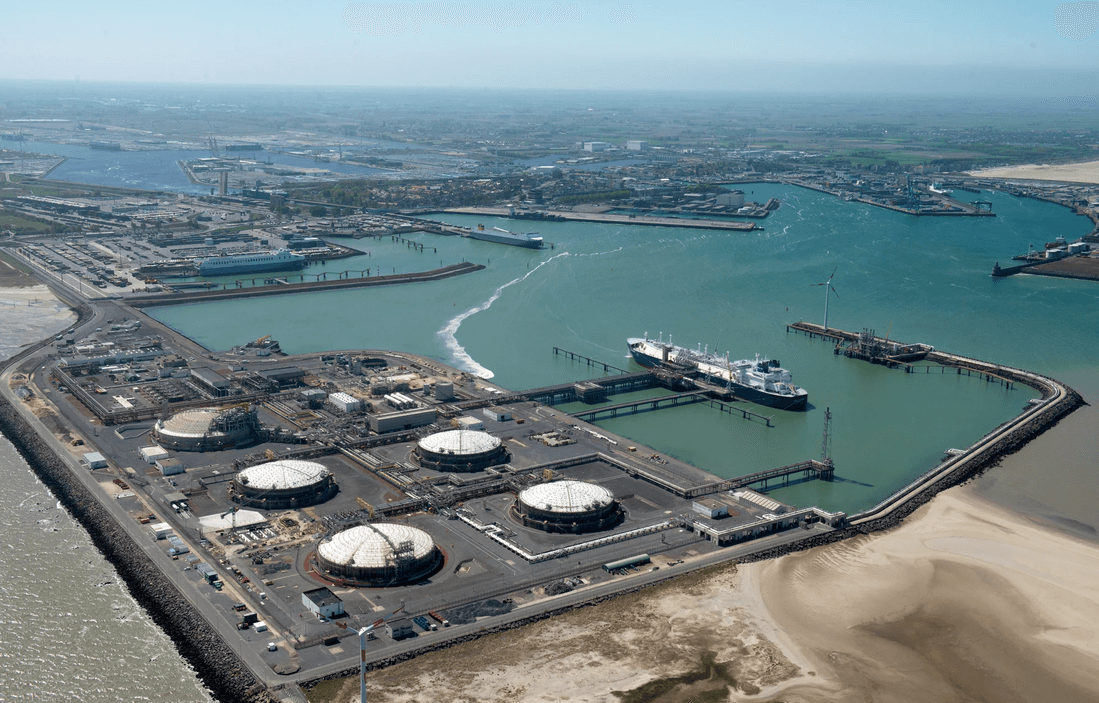
The Port of Antwerp-Bruges experienced significant operational disruptions in 2026, including labor strikes and an oil spill, which collectively led to an estimated reduction of 260,000 TEU in container throughput. Despite these challenges, the port successfully maintained its overall container market share. This resilience was attributed to several factors, including robust growth in Roll-on/Roll-off (RoRo) cargo volumes, shifts in Liquefied Natural Gas (LNG) trade flows, and ongoing investments aimed at expanding port capacity.
For freight forwarders and operations managers, this indicates that while the port faced internal pressures, its strategic importance and diversified cargo handling capabilities allowed it to absorb the impact without a significant long-term erosion of its competitive position. Shippers using Antwerp-Bruges may have experienced temporary delays or rerouting during the specific incidents, but the port's ability to retain market share suggests that alternative options were either limited or less attractive, or that the disruptions were managed effectively to minimize lasting impact on trade flows. The continued investment in capacity also signals a commitment to future growth and stability.