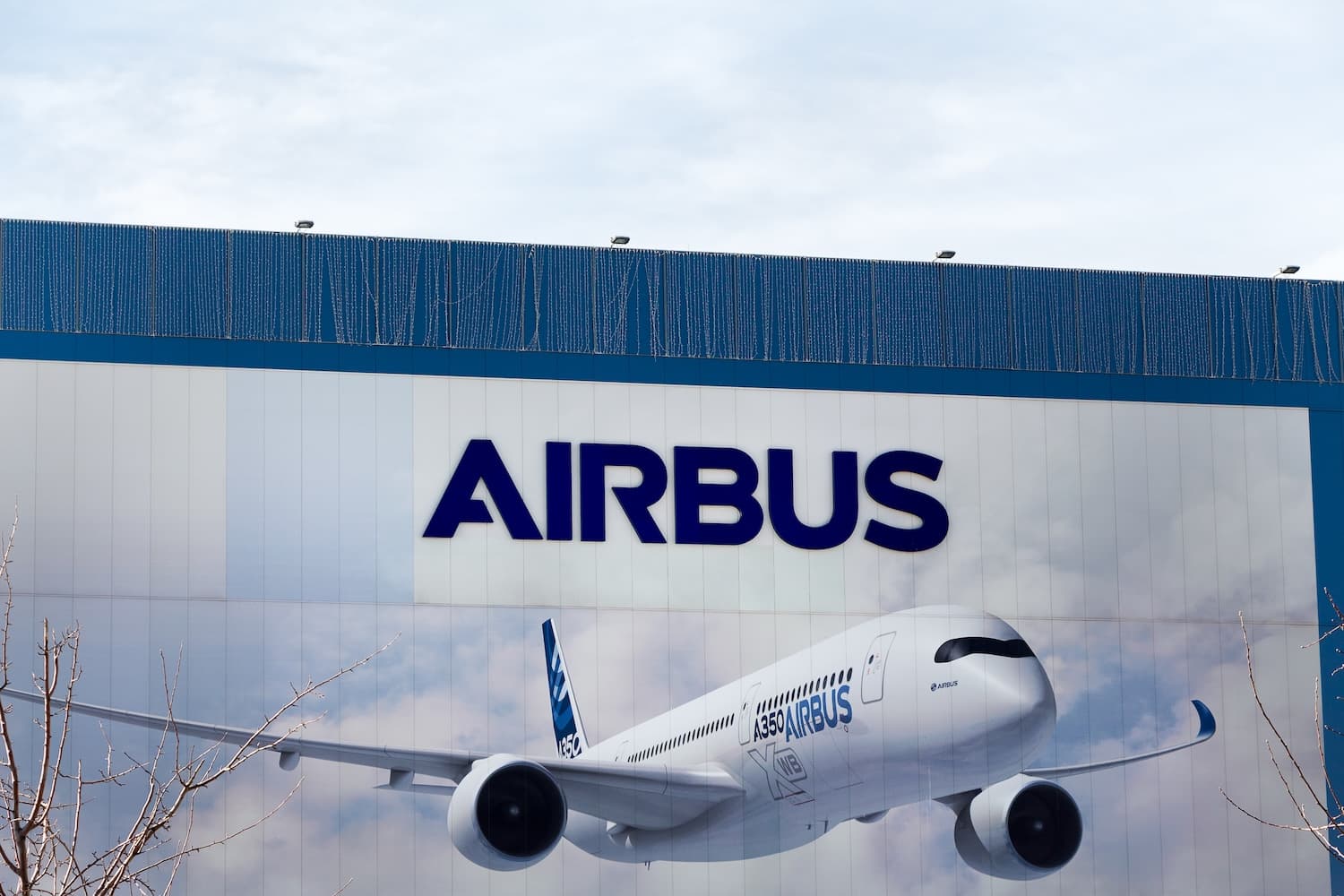
Airbus has commenced the LEIA project, an initiative aimed at developing a hybrid-electric energy architecture for its next generation of commercial aircraft. This project is supported by the European Union's Clean Aviation program and focuses on advancing high-voltage electrical systems. The primary goal is to integrate these systems into future short- and medium-haul aircraft.
The LEIA project is a significant step towards sustainable aviation, aligning with broader industry efforts to reduce carbon emissions and improve fuel efficiency. The development of hybrid-electric propulsion systems is seen as a key pathway to achieving these environmental targets, particularly for aircraft operating on shorter routes.
For freight forwarders and air cargo operations, advancements in aircraft technology like those from the LEIA project could lead to more fuel-efficient and potentially quieter cargo planes in the long term. While direct impacts on rates or capacity are not immediate, a more sustainable fleet could influence operational costs and regulatory compliance in the future. This could also contribute to the broader availability of greener air cargo options as the technology matures.
Airbus and its partners are targeting the completion of aircraft-level ground demonstrations for this technology by 2027, indicating a relatively rapid development timeline for such complex systems. This milestone will be crucial in validating the architecture's feasibility and performance before potential flight testing and commercial application.