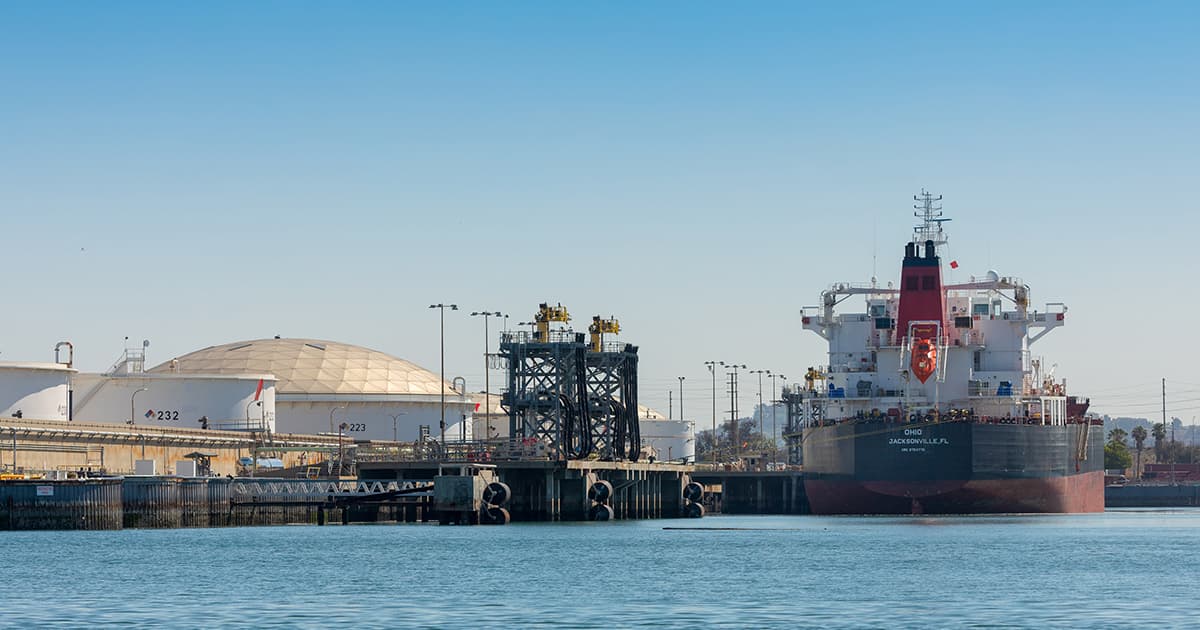
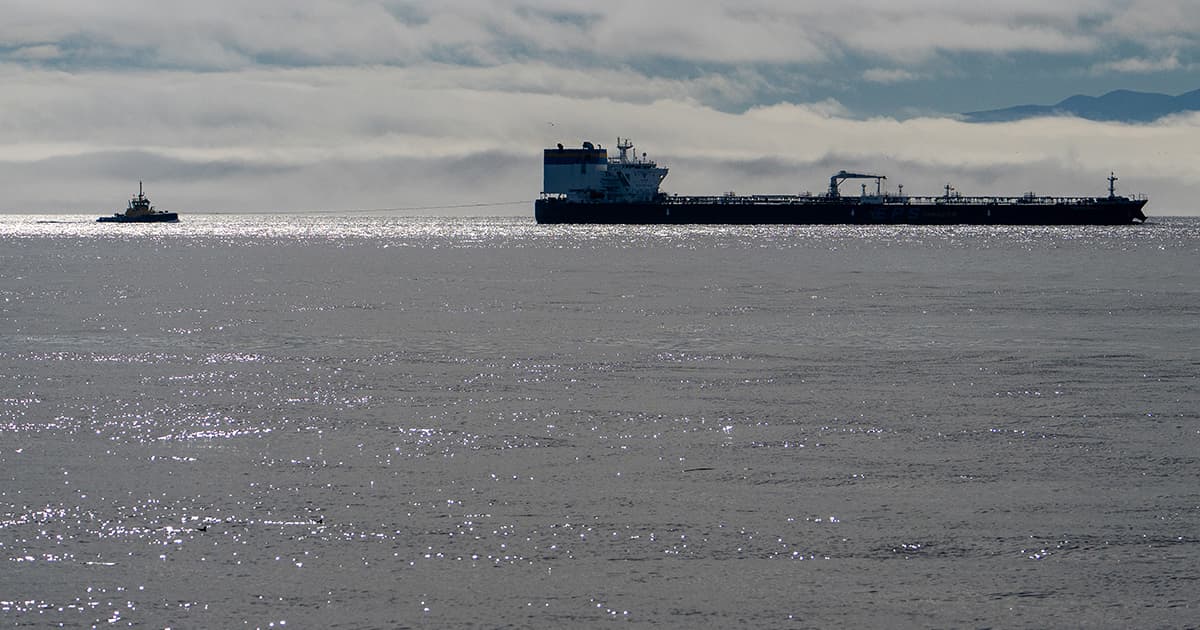
Venezuela's shipping market is undergoing a significant transformation due to the gradual relaxation of international sanctions. This shift is attracting renewed interest from global trade, particularly in sectors like oil and gas, agriculture, and consumer goods. The reopening presents both opportunities and complexities for freight forwarders and shippers looking to engage with the Venezuelan market.
Historically, Venezuela's economic landscape has been heavily influenced by its vast natural resources, primarily oil. However, political instability and stringent sanctions severely restricted international trade and investment for many years. The current easing of these restrictions signals a potential return to more normalized trade relations, though the process is expected to be gradual and subject to ongoing geopolitical developments.
For freight forwarders and supply chain professionals, this means a need for careful planning and due diligence. While new cargo volumes are anticipated, particularly for imports of essential goods and exports of raw materials, operational challenges persist. These include navigating a complex regulatory environment that may still have remnants of past restrictions, potential delays in customs clearance, and varying port efficiencies. Additionally, payment mechanisms and financial transactions could require specialized handling due to the country's economic context. Forwarders should also consider the state of local infrastructure, which may require upgrades to handle increased traffic efficiently. Understanding these nuances will be crucial for successful and compliant operations.
As the market continues to evolve, stakeholders will need to monitor policy changes closely and adapt their strategies to leverage emerging trade lanes and mitigate risks. The long-term stability of the regulatory environment will be a key factor in determining the sustained growth of Venezuela's shipping and logistics sector.