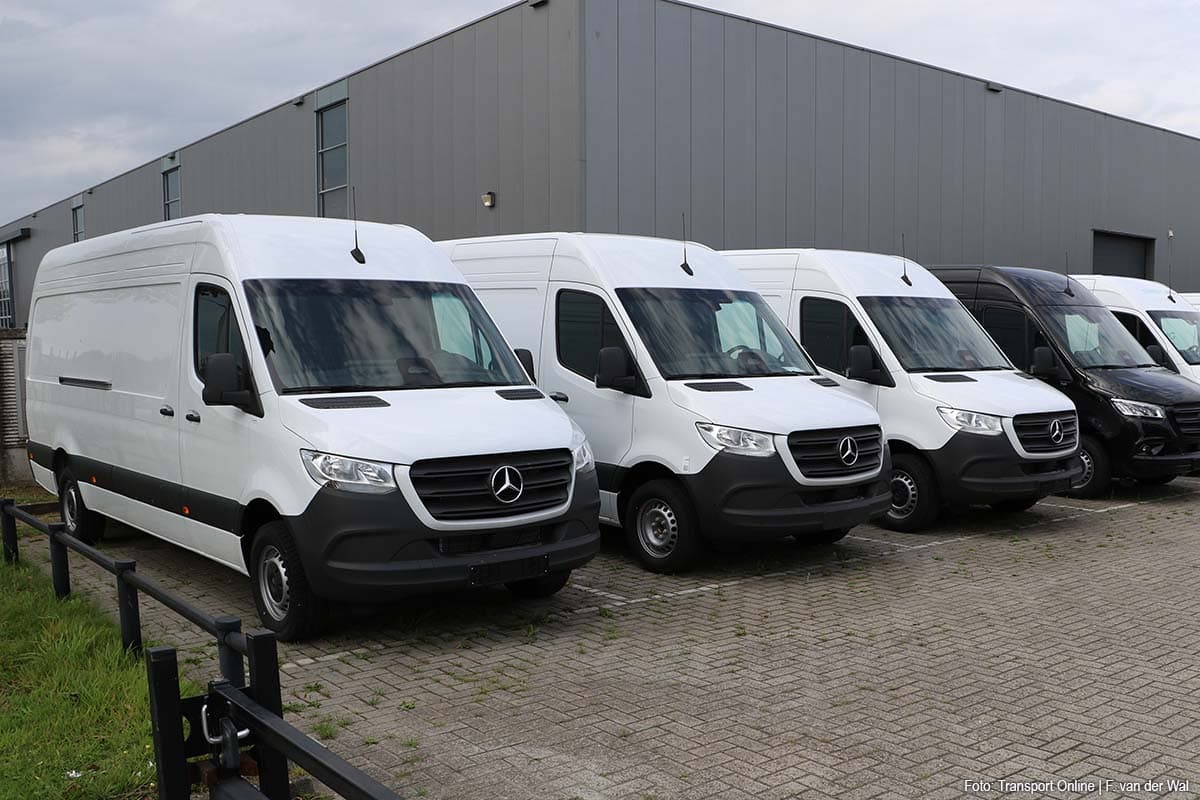
For transport sector entrepreneurs, securing reliable company vehicles is crucial for operations, whether for deliveries, client visits, or material transport. The traditional method of direct purchase often involves a substantial upfront investment, which can strain a company's financial resources. An alternative strategy gaining traction is vehicle leasing or rental, which allows businesses to utilize necessary vehicles without the immediate capital expenditure.
This approach offers significant financial flexibility, enabling companies to conserve cash flow and allocate funds to other critical areas of their business. Instead of tying up capital in depreciating assets, businesses can spread costs over time through predictable monthly payments. This also provides access to newer, more efficient vehicles, potentially reducing maintenance costs and improving operational reliability.
For freight forwarders and logistics operators, this means greater agility in fleet management. They can scale their vehicle capacity up or down more easily in response to market demand fluctuations without the burden of owning underutilized assets. It also simplifies budgeting, as fixed monthly payments for leases or rentals are easier to forecast than the variable costs associated with vehicle ownership, such as unexpected repairs or depreciation. This model can be particularly beneficial for smaller and medium-sized enterprises (SMEs) in the transport sector, allowing them to compete more effectively by maintaining a modern fleet without prohibitive initial costs.
While the article does not specify future developments, the trend towards flexible asset acquisition models is expected to continue as businesses seek to optimize operational efficiency and financial health in a dynamic market.