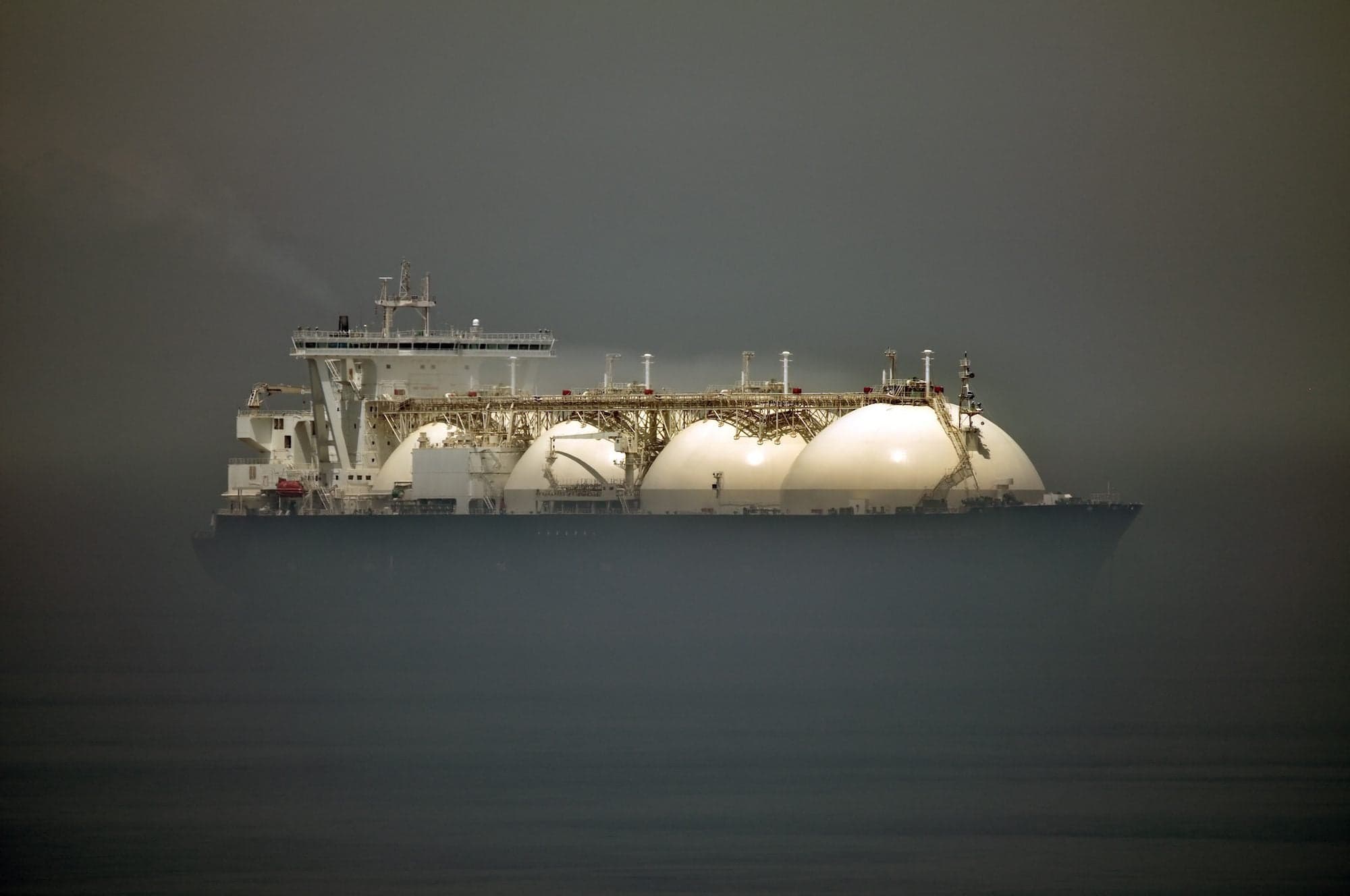
The United Kingdom recently announced sanctions against four liquefied natural gas (LNG) carriers that are reportedly linked to Russia's Arctic LNG 2 project. This move makes the UK the first G7 country to specifically target vessels acquired by Russia to facilitate the expansion of LNG exports from this particular Arctic development, which is already under international sanctions.
These sanctions are designed to impede Russia's efforts to circumvent existing restrictions and increase its energy exports, particularly LNG, to global markets. By targeting the shipping assets, the UK aims to disrupt the logistical chain necessary for the Arctic LNG 2 project to operate at full capacity and deliver its product internationally.
For freight forwarders and logistics professionals, this development signals increased scrutiny and potential disruptions in the global LNG shipping sector. Forwarders involved in energy logistics, particularly those with any tangential links to Russian energy projects, will need to carefully review their compliance frameworks. The sanctions could lead to a tightening of available LNG tanker capacity, especially for routes originating from or destined for Russian Arctic ports, potentially increasing charter rates or necessitating alternative, longer routes for other LNG shipments. Furthermore, the action highlights the ongoing geopolitical risks impacting maritime trade and the importance of due diligence in vessel ownership and operational ties.
While the immediate next steps are not detailed in the source, it is anticipated that Russia will continue to seek alternative methods and vessels to maintain its LNG export capabilities, potentially through a 'shadow fleet' similar to that used for oil exports. Other G7 nations may also consider similar sanctions in the future.