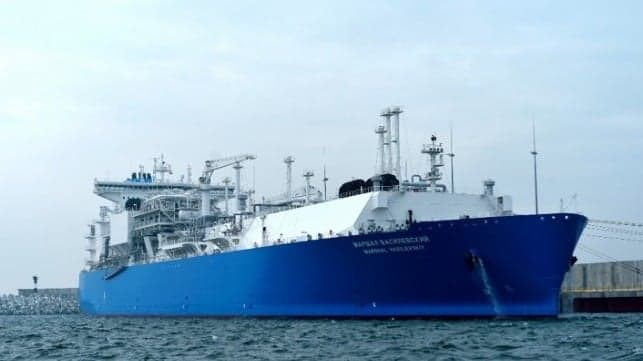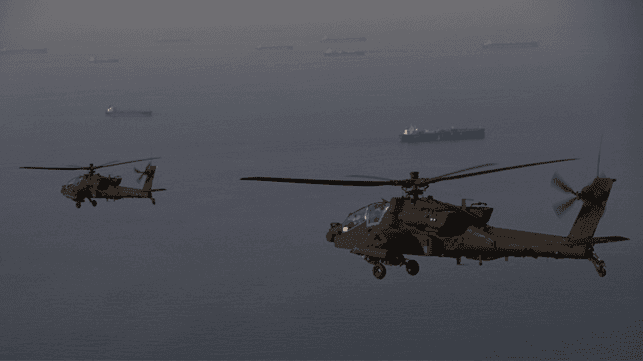
In the early hours of Sunday, Royal Marine Commandos, deployed from RAF Chinook helicopters, boarded a 244-meter Aframax tanker as it transited the English Channel. This operation targeted a vessel suspected of being part of Russia's 'shadow fleet', a term referring to older ships often operating with opaque ownership and insurance, frequently used to transport Russian oil while circumventing international sanctions.
This incident underscores the UK's commitment to enforcing sanctions and monitoring maritime traffic, particularly in strategic waterways like the English Channel. The 'shadow fleet' has been a growing concern for maritime authorities and insurers due to its potential safety and environmental risks, as well as its role in illicit trade.
For freight forwarders and shippers, this event signals an intensified regulatory environment and increased scrutiny on vessel provenance and compliance, especially for tankers and bulk carriers. It may lead to more rigorous checks on vessel documentation, ownership structures, and insurance validity, potentially causing delays or requiring alternative routing for non-compliant vessels. The heightened enforcement could also impact war risk premiums and the availability of insurance for certain routes or vessel types associated with the 'shadow fleet'. Forwarders should advise clients to ensure all their contracted vessels are fully compliant with international sanctions and maritime regulations to avoid potential disruptions or seizures.
While the source does not specify immediate next steps, such interceptions typically involve investigations into the vessel's cargo, crew, and documentation to determine any breaches of international law or sanctions.