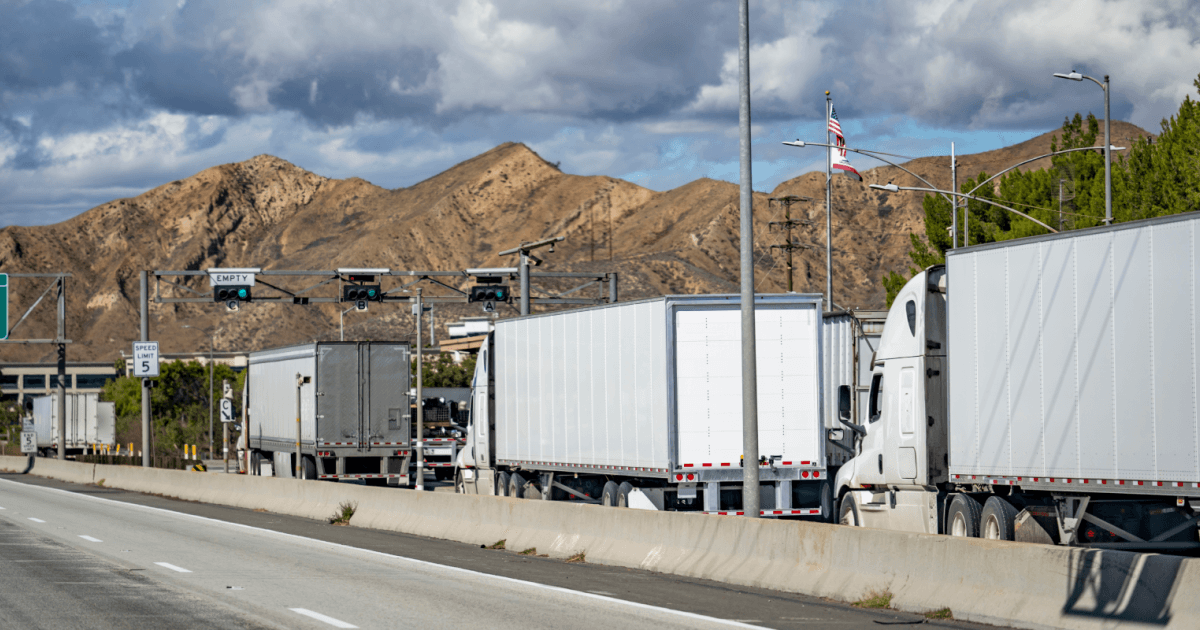
Trucking fleets are increasingly focusing on holistic strategies to bypass weigh stations, moving beyond simple route deviations to integrate solutions across their entire operational network. This shift is driven by the complex and inconsistent patchwork of state-specific rules, enforcement patterns, and weigh station procedures that vary significantly from one corridor to another.
Historically, carriers might have adjusted routes to avoid specific problematic weigh stations. However, the current trend involves a more sophisticated, data-driven approach to identify and implement bypass opportunities system-wide. This includes utilizing technology that provides real-time information on weigh station status and regulatory compliance requirements.
For freight forwarders and operations managers, this development signifies a potential for improved transit times and reduced operational costs in road freight. By minimizing stops at weigh stations, trucks can maintain better schedules, leading to more reliable delivery estimates and potentially lower fuel consumption. Understanding the capabilities of their trucking partners in implementing these advanced bypass strategies can be a key factor in selecting carriers and optimizing supply chain flows. It also highlights the importance of carriers investing in technology that supports such network-wide optimization.
The industry is expected to continue developing and adopting more integrated technological solutions to streamline road freight operations, addressing the challenges posed by varied state-level regulations.