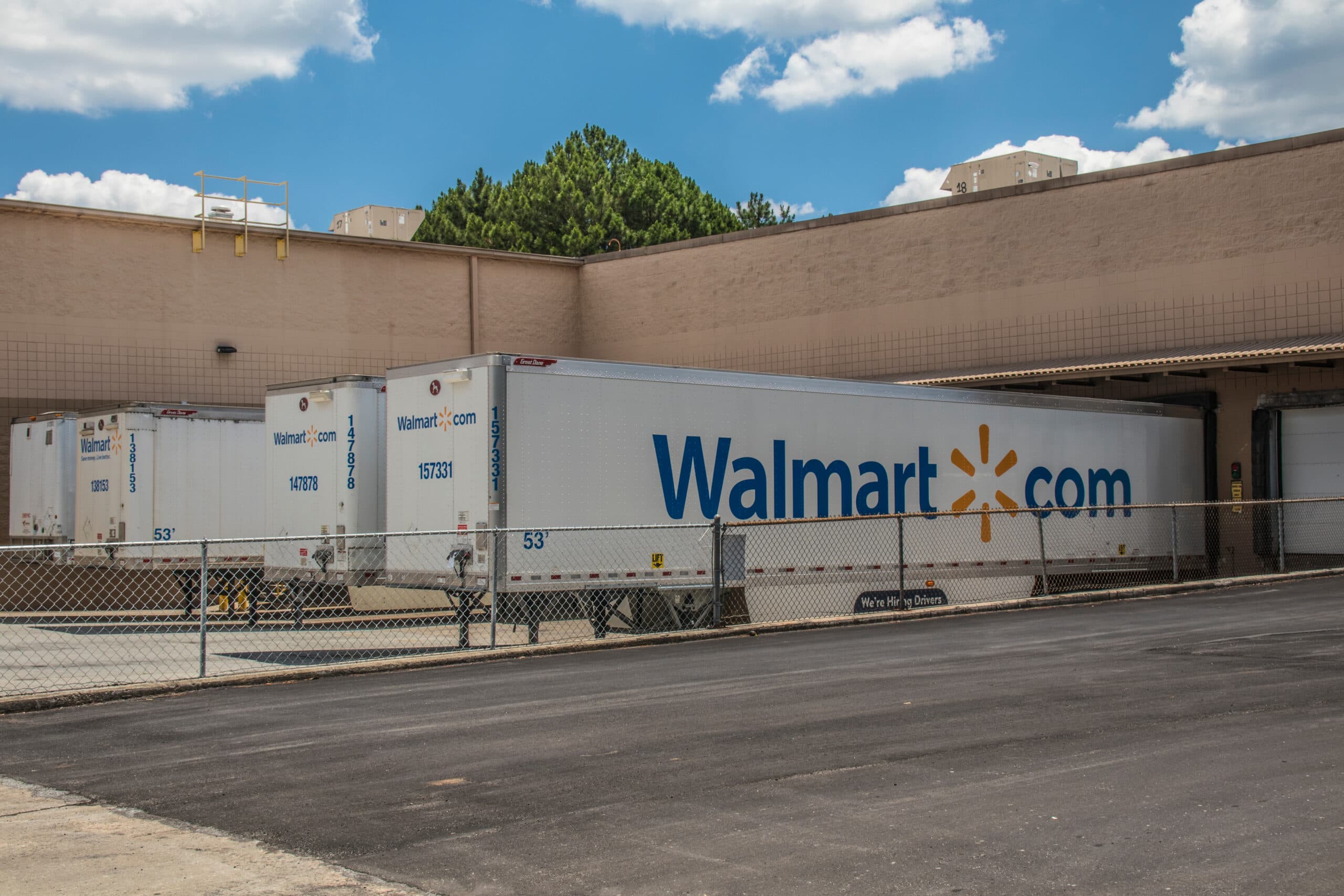
Reports indicate that criminals successfully intercepted a Walmart-bound shipment valued at $1.7 million, consisting of condoms, by impersonating a legitimate freight carrier. This incident underscores a prevalent and increasing trend in cargo theft, where fraudsters leverage stolen or compromised carrier identities to reroute valuable goods.
This type of fraud, often referred to as 'strategic cargo theft' or 'identity theft fraud,' involves criminals gaining access to a carrier's credentials or creating convincing fake identities to deceive shippers or brokers into releasing cargo. Once the cargo is loaded, it is diverted to an unauthorized location and stolen. The FBI has noted a significant rise in such incidents, indicating a sophisticated and organized criminal effort targeting the logistics sector.
For freight forwarders and operations managers, this development highlights critical risks in vetting carriers and ensuring secure communication channels. It necessitates enhanced due diligence processes for new and existing partners, robust cybersecurity measures to protect digital identities, and verification protocols at every stage of the shipment lifecycle. The potential for financial loss and reputational damage from such diversions is substantial, impacting both the forwarder and their clients. Increased vigilance and investment in security technologies are crucial to mitigate these evolving threats.
While the article does not specify immediate next steps, the ongoing nature of these threats suggests that law enforcement and industry stakeholders will continue to emphasize improved security practices and information sharing to combat cargo identity theft.