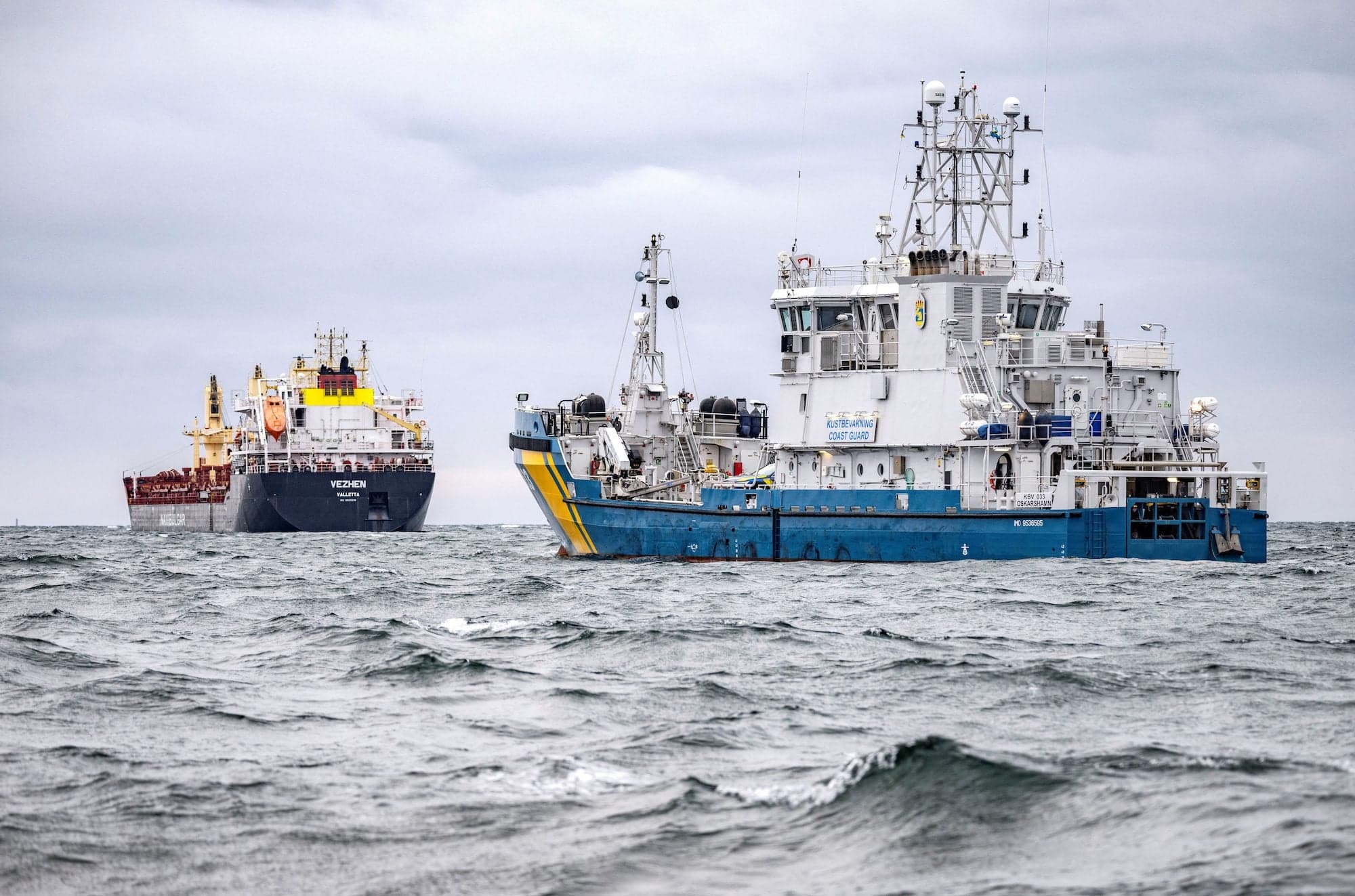
Sweden has begun arming its civilian coast guard vessels with machine guns as a direct response to a perceived increase in threats from vessels associated with Russia operating in the Baltic Sea. This decision reflects a significant shift in Sweden's maritime security policy, moving towards a more robust defense posture in a region experiencing heightened geopolitical tensions.
This development could have implications for freight forwarders and shippers operating in the Baltic Sea. Increased militarization and security concerns may lead to higher war risk insurance premiums for vessels, affecting operational costs and potentially influencing routing decisions. Forwarders should monitor the evolving security landscape in the Baltic Sea, as any escalation could impact vessel schedules and port access. The presence of armed coast guard vessels, while intended for security, could also introduce new complexities for commercial shipping operations.