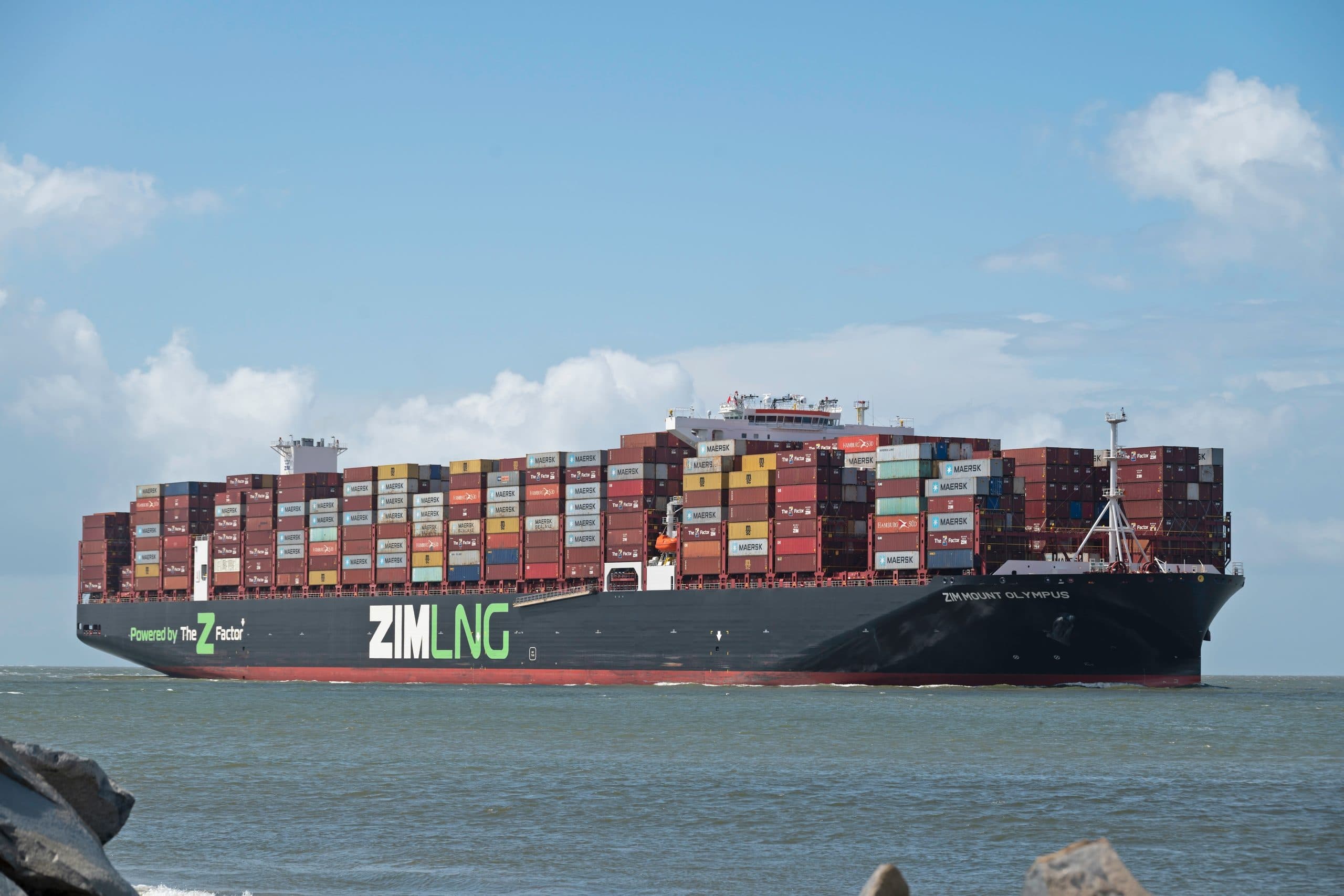
On June 18, the Strait of Hormuz recorded 25 verified commercial vessel crossings, marking the highest single-day volume since April 18. This figure is more than five times the daily average observed during the first ten days of June. However, this increased traffic remains significantly lower than the approximately 110 crossings per day typically seen before the recent regional conflicts.
The surge in traffic coincided with severe disruptions to Automatic Identification System (AIS) signals in the area, complicating efforts to accurately track vessel movements. Such AIS interference can create significant challenges for maritime security and operational awareness.
For freight forwarders and operations managers, the combination of increased traffic and AIS disruption in a critical choke point like the Strait of Hormuz presents heightened operational risks. Reduced visibility due to AIS interference can lead to uncertainty in vessel positioning and potential delays, impacting schedule reliability. Forwarders should anticipate potential disruptions to transit times and maintain close communication with carriers for real-time updates, as tracking vessels accurately becomes more difficult. The ongoing regional tensions suggest that such operational complexities may persist, necessitating robust contingency planning for shipments transiting this area.