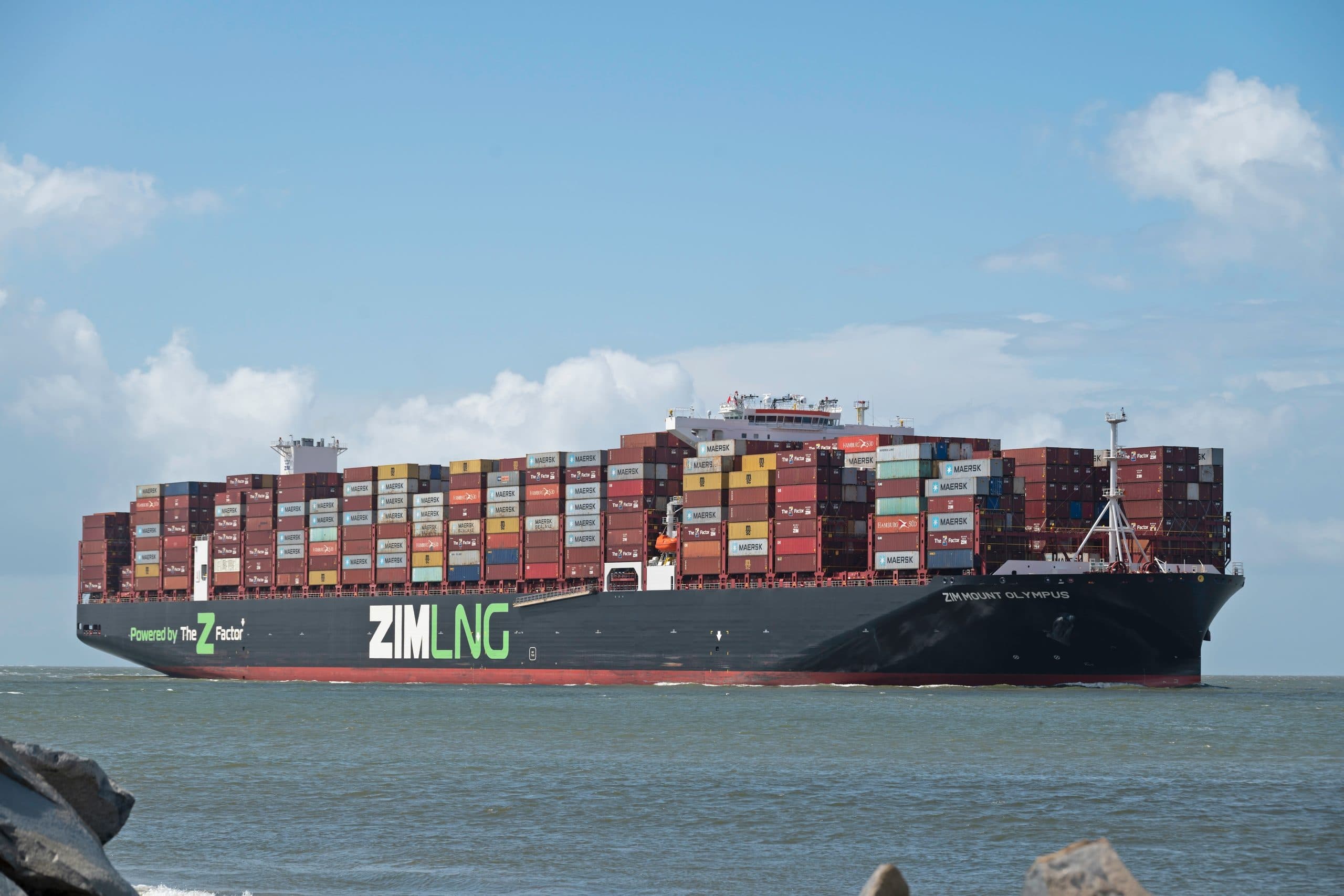
The Strait of Hormuz is projected to require several weeks to fully alleviate the shipping backlog that accumulated during its closure, according to warnings from industry executives and maritime experts. The news of a potential agreement between the U.S. and Iran, aimed at de-escalating the conflict, initially caused a slight dip in oil prices below $80 per barrel.
This critical chokepoint's disruption has historically led to substantial delays and increased costs for global maritime trade, particularly for oil and gas shipments. The current situation highlights the vulnerability of international supply chains to geopolitical tensions in key transit areas.
For freight forwarders and operations managers, the reopening means a gradual return to normal transit times, but immediate relief from delays is unlikely. Shippers should anticipate continued congestion and potential schedule adjustments for vessels that were rerouted or held up. While the long-term outlook suggests improved flow, the short-to-medium term will still involve managing the ripple effects of the backlog. Capacity might remain tight as carriers work to reposition vessels and clear accumulated cargo.
No specific timeline for the full normalization of operations was provided, but the emphasis is on a multi-week process to resolve the accumulated pressure on shipping and oil markets.