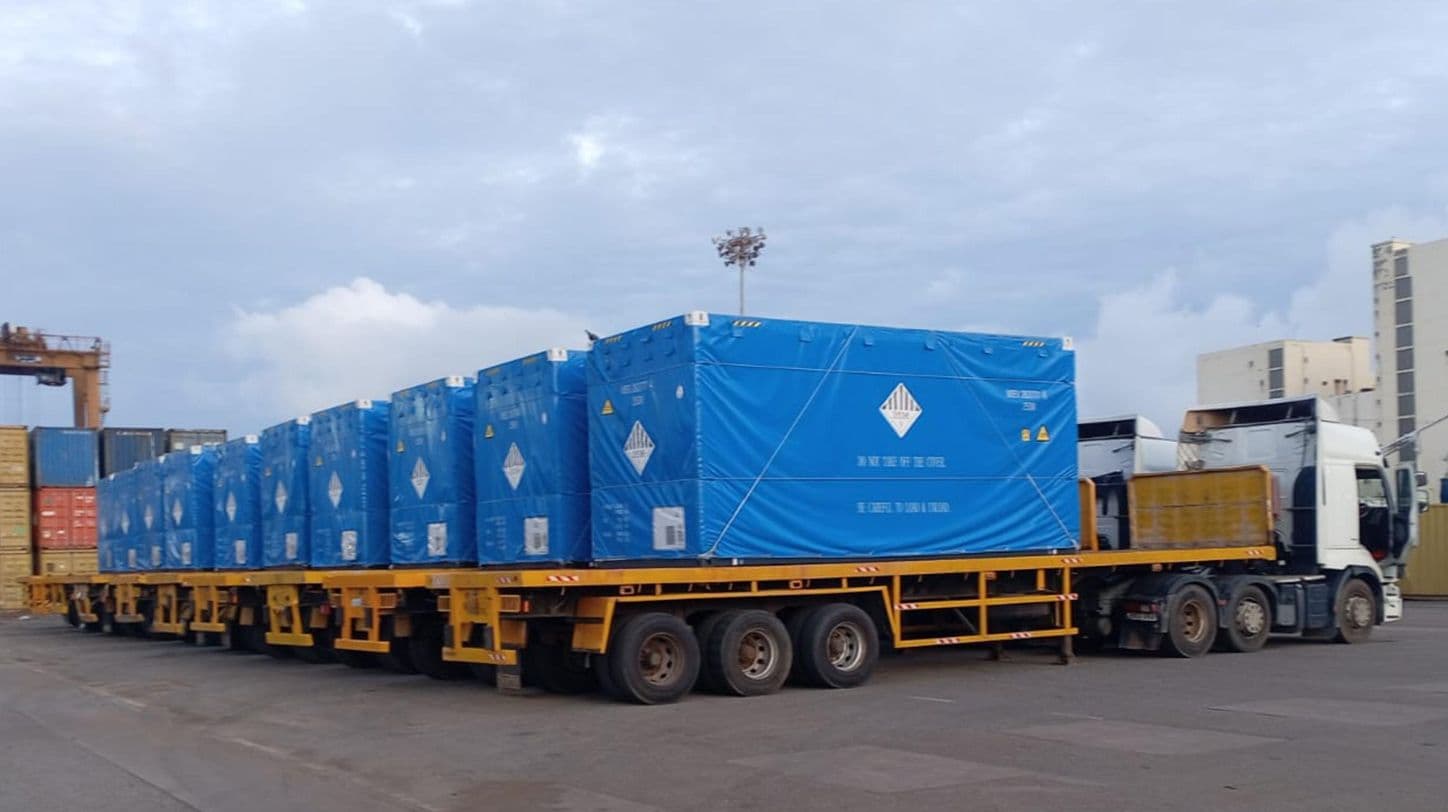
Sri Lanka is reportedly integrating Battery Energy Storage Systems (BESS) into its freight operations. This strategic move aims to bolster the reliability and efficiency of the country's logistics infrastructure. By deploying BESS technology, Sri Lanka seeks to ensure a consistent power supply for critical freight facilities, which can mitigate disruptions caused by grid instability or power fluctuations. This initiative aligns with broader efforts to modernize the nation's supply chain capabilities and support economic growth.
For freight forwarders and operations managers, the implementation of BESS in Sri Lanka could translate into more predictable and reliable cargo handling, particularly at ports and inland depots. Reduced power outages or voltage inconsistencies mean less downtime for equipment like cranes, forklifts, and cold storage units, leading to faster turnaround times and improved schedule adherence. This could indirectly contribute to more stable transit times and potentially lower operational risks associated with power-dependent processes. Furthermore, a more robust and sustainable energy infrastructure can enhance Sri Lanka's appeal as a logistics hub in the region.