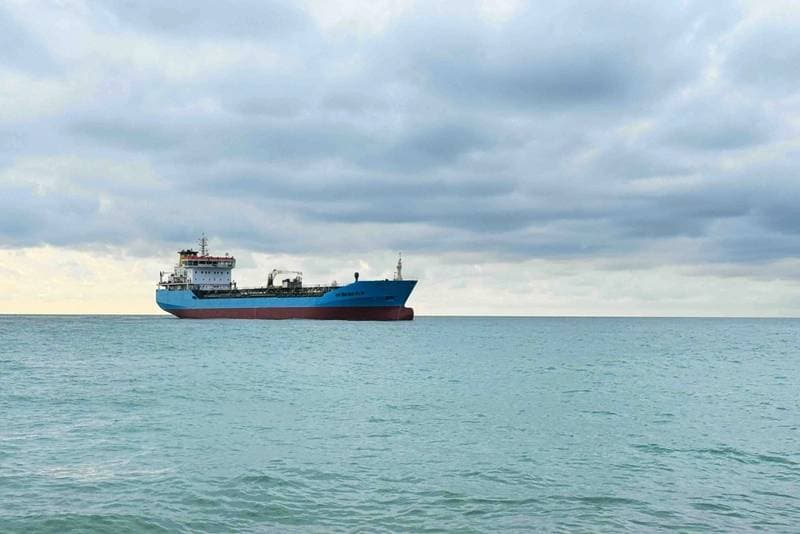
The adoption of wind-assisted propulsion systems (WAPS) is accelerating across the global maritime fleet, with ships featuring rotors, wings, and sails now operating worldwide. This rapid deployment means that operational advancements are outpacing the development of international regulations and guidelines, particularly from the International Maritime Organization (IMO).
Currently, the safety framework for these innovative systems is built upon stringent operational practices, approvals from classification societies, and compliance with the International Safety Management (ISM) Code. These measures are critical in ensuring safe operations while the IMO works on establishing more formalized guidance.
For freight forwarders and operations managers, the increasing use of WAPS could lead to more sustainable shipping options and potentially contribute to more stable, predictable transit times by reducing reliance on fluctuating fuel prices. However, the evolving regulatory landscape means that forwarders should stay informed about carrier compliance and any new safety protocols that may impact vessel scheduling or cargo handling. While direct rate impacts are not immediately clear, the long-term goal of WAPS is to reduce fuel consumption, which could eventually translate into more competitive freight costs.
The industry anticipates further guidance from the IMO, which will likely standardize safety requirements and operational procedures for WAPS. This will provide a clearer framework for shipowners, operators, and potentially influence future vessel designs and routing strategies.