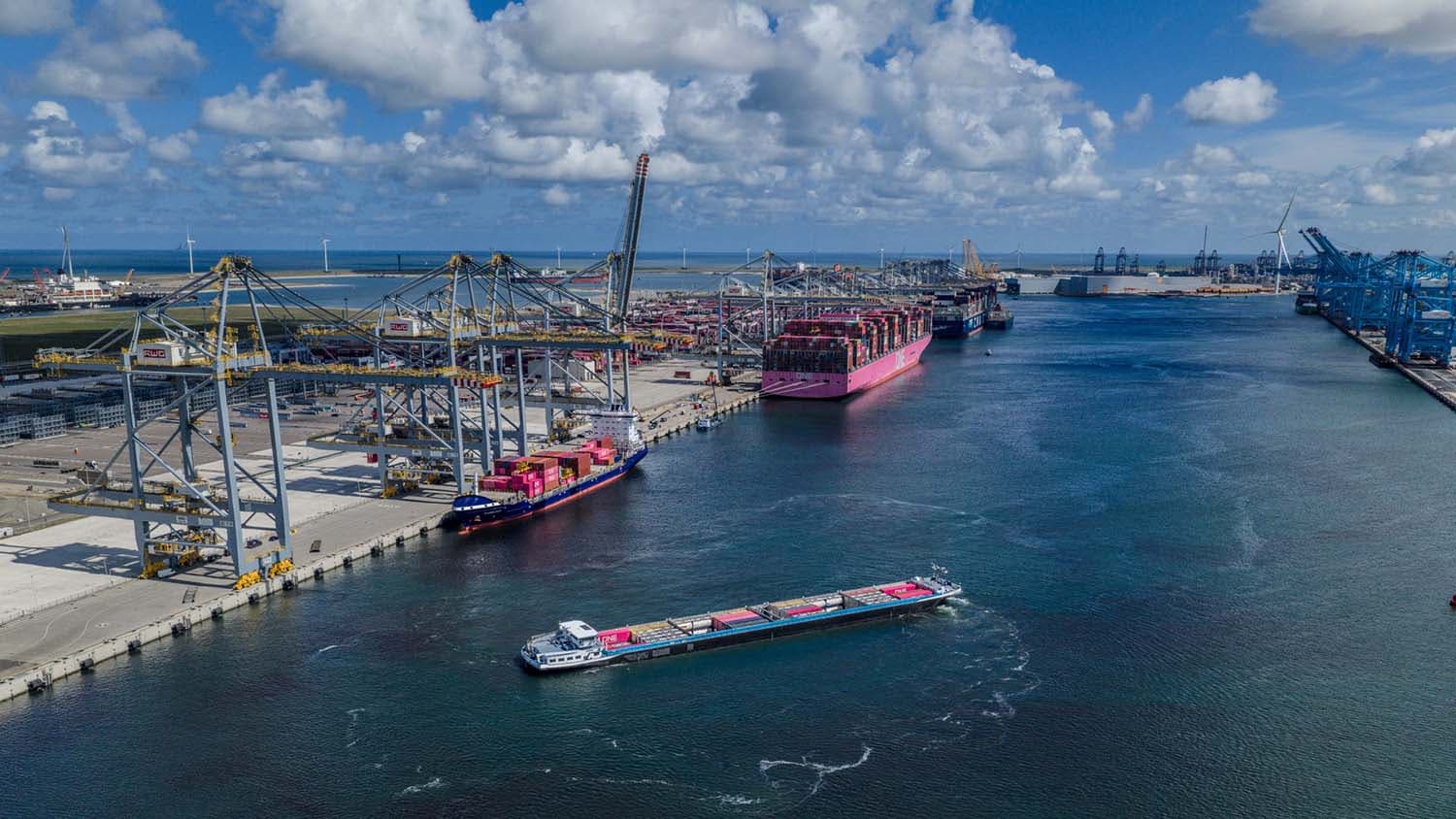
The Port of Rotterdam recently conducted a successful demonstration of autonomous shipping, featuring the inland container vessel MS Letitia. The ship navigated autonomously between various terminals within the port, effectively maneuvering through existing maritime traffic without human intervention. This trial represents a notable advancement in the development of self-driving vessels for inland waterways.
For freight forwarders and operations managers, the successful implementation of autonomous inland shipping could lead to several operational benefits. It may contribute to more predictable schedules and potentially reduce human error, improving safety. Over time, this technology could optimize vessel turnaround times and enhance overall efficiency in port logistics, impacting inland transport costs and transit times for cargo moving through Rotterdam.