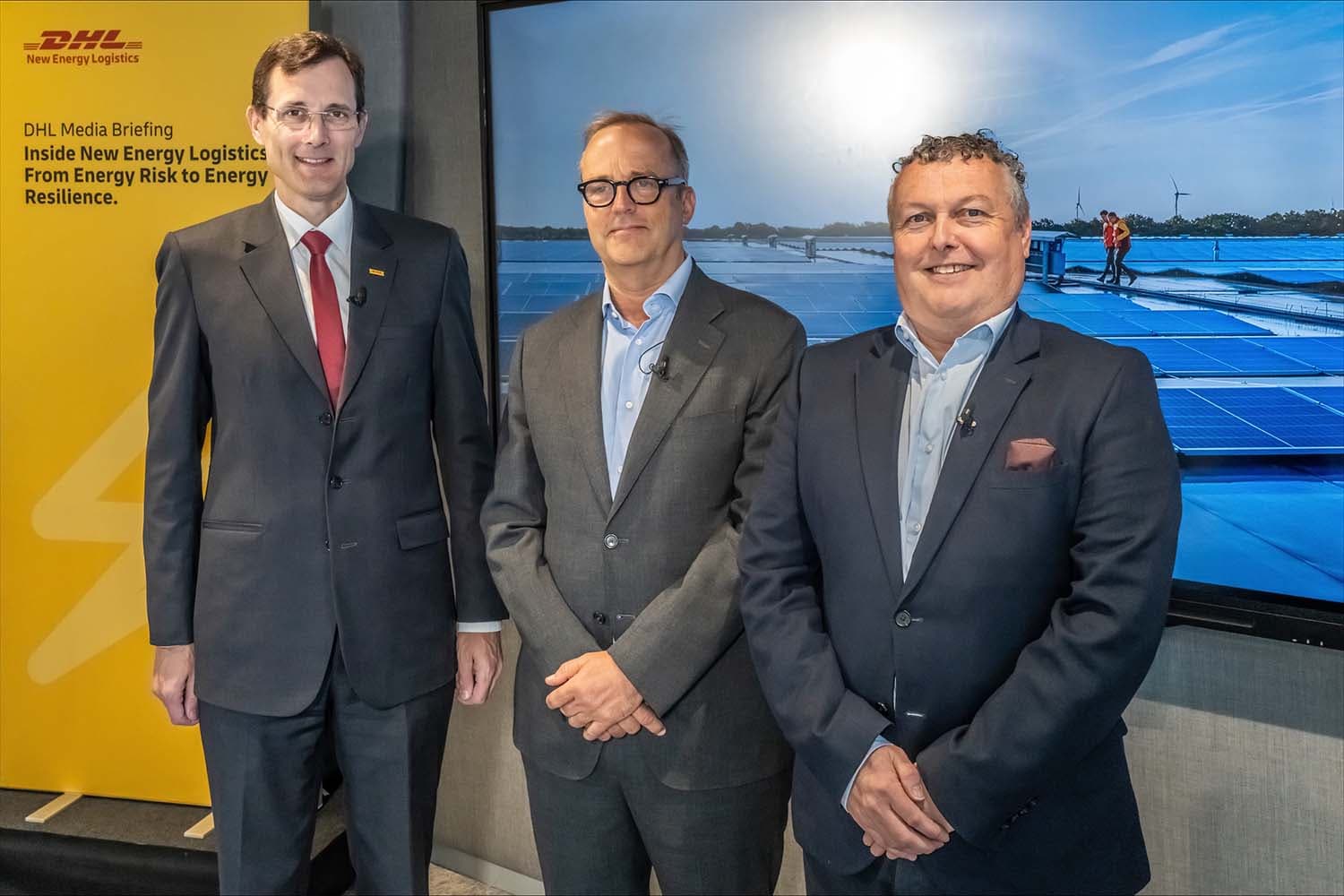
DHL Group has announced ambitious plans to dramatically increase its revenue from New Energy Logistics, projecting a rise from approximately €600 million in 2025 to €3 billion by 2030. This substantial growth is expected to come from targeted investments across several key areas within the energy sector, including advanced battery logistics, infrastructure for electric vehicles, energy storage solutions, and hydrogen-related supply chains.
This strategic pivot by DHL underscores the increasing importance of specialized logistics services for the burgeoning renewable energy and sustainable technology markets. As the global energy transition accelerates, the demand for efficient and secure supply chains for components like batteries, EV parts, and hydrogen infrastructure is growing rapidly.
For freight forwarders and logistics professionals, this development signals a significant opportunity and a shift in demand. It highlights the need for expertise in handling sensitive and often hazardous new energy components, as well as developing robust logistics networks for these specialized cargo types. Forwarders should anticipate increased volumes and complexity in these segments, requiring specialized equipment, regulatory compliance knowledge, and potentially new warehousing and distribution models. It also suggests a potential for new partnerships with major integrators like DHL in this expanding niche.
DHL's focus indicates a long-term commitment to becoming a leading logistics provider in the new energy space, aligning with global sustainability trends and the push for decarbonization across industries.