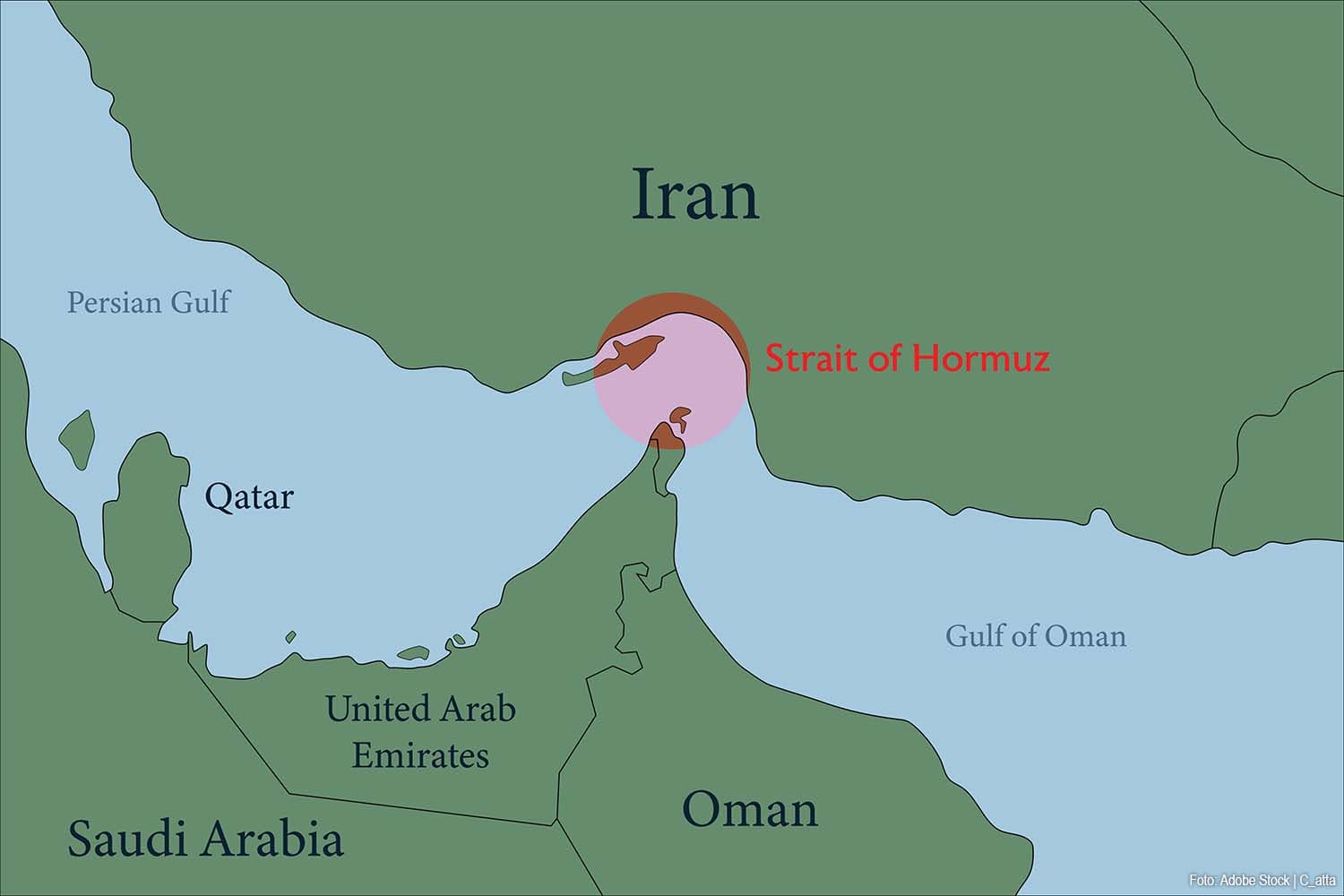
PwC has issued a warning in a recent whitepaper, highlighting that a sustained closure of the Strait of Hormuz poses a risk of structural disruption to international supply chains and the Dutch industrial sector. The firm's analysis suggests that the situation has intensified following joint Israeli-American military operations in the area.
For freight forwarders and operations managers, a closure of the Strait of Hormuz would necessitate significant re-routing of vessels, particularly for oil and gas shipments, but also for container and general cargo traffic originating from or destined for the Persian Gulf. This would lead to extended transit times, increased bunker consumption, and potentially higher insurance premiums due to elevated war risks. Capacity on alternative routes, such as around the Cape of Good Hope, would be strained, likely driving up freight rates and causing delays across multiple trade lanes. Shippers would face higher costs and longer lead times, impacting inventory management and production schedules.
The Strait of Hormuz is a critical chokepoint for global energy supplies, with a substantial portion of the world's crude oil and liquefied natural gas (LNG) passing through it daily. Any disruption there would have far-reaching economic consequences beyond just the immediate shipping industry, affecting energy prices and industrial output globally.