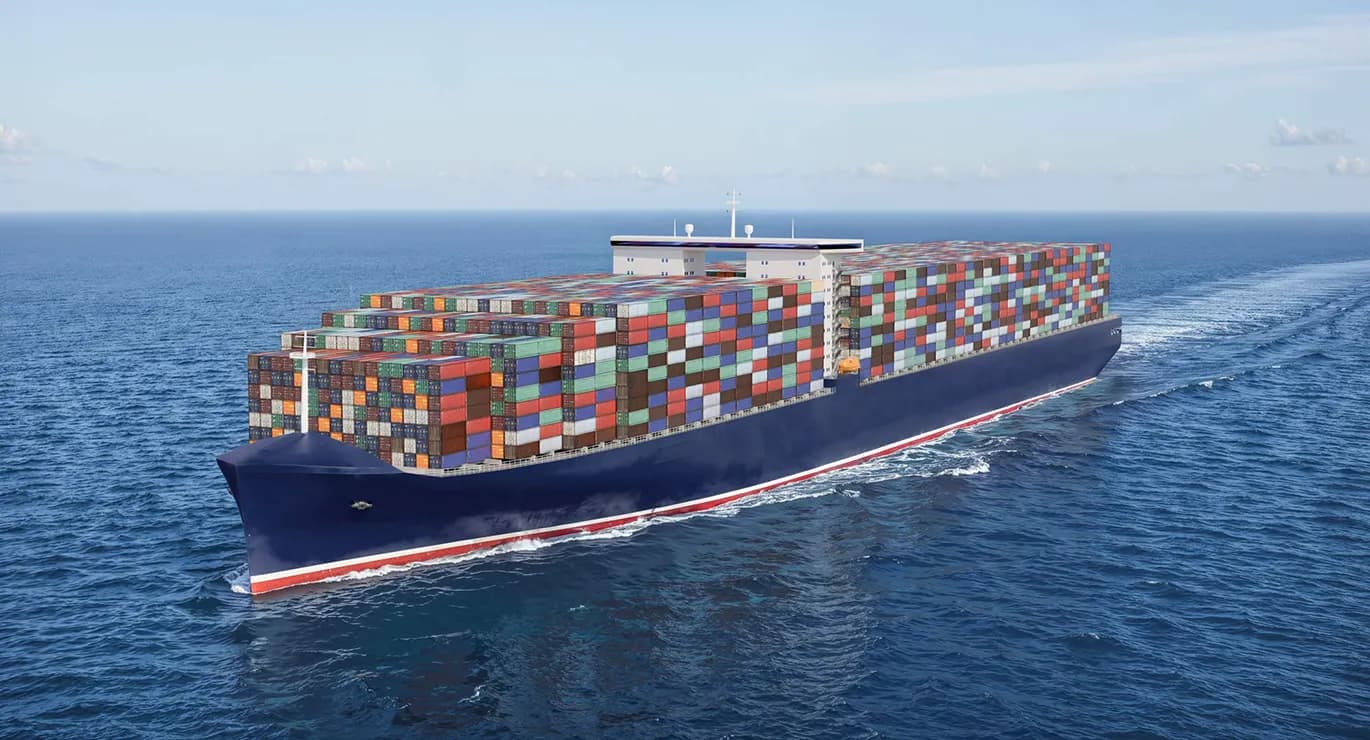
A recent joint study by CORE POWER, Maersk, Lloyd's Register, and the Port of Rotterdam indicates that ports globally need to start preparing for the eventual arrival of nuclear-powered ships. The report underscores that substantial regulatory frameworks are currently missing, which are critical for the safe and effective commercial operation of such vessels.
This initiative comes as the maritime industry explores various decarbonization pathways, with nuclear propulsion emerging as a potential long-term solution for achieving zero emissions. The involvement of a major carrier like Maersk and a key port like Rotterdam signals a serious consideration of this technology within the industry.
For freight forwarders and operations managers, this development suggests a future shift in port operations and vessel handling protocols. While immediate impacts on rates or capacity are unlikely, the long-term implications could include specialized port infrastructure requirements, new safety and security regulations for port calls, and potentially altered routing or transit times for nuclear-powered vessels. Forwarders will need to monitor regulatory progress and port readiness to understand future operational constraints and opportunities.
The study's findings imply that extensive collaboration between international bodies, national governments, port authorities, and shipping lines will be necessary to develop and implement the required regulatory standards and infrastructure upgrades. This preparatory phase is expected to be lengthy, with significant investment and policy development needed before nuclear ships become a common sight in commercial shipping.