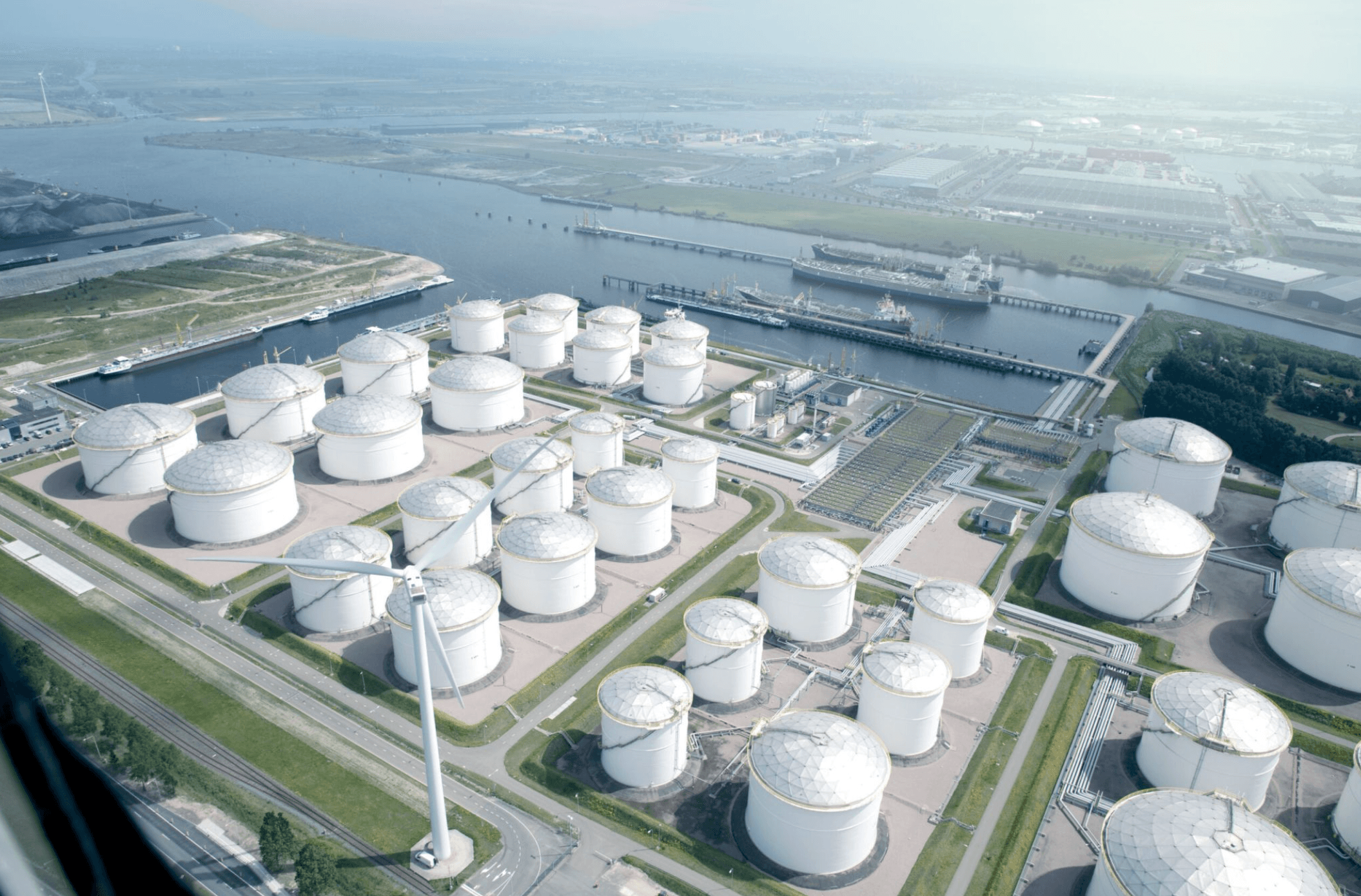
The Port of Amsterdam is actively progressing its hydrogen infrastructure initiatives, even as the broader hydrogen market faces uncertainty. This strategic push is aimed at supporting the emerging hydrogen economy in Europe.
Key stakeholders at the port highlight several critical elements necessary for the successful acceleration of hydrogen adoption. These include securing robust investment decisions, developing adequate storage facilities for hydrogen, establishing efficient import mechanisms, and forging international supply corridors, particularly with nations such as Canada and Oman. These measures are considered essential to meet future industrial demand for hydrogen across the continent.
For freight forwarders and logistics professionals, the development of hydrogen infrastructure at major ports like Amsterdam signifies a long-term shift towards alternative fuels and sustainable logistics. While immediate impacts on cargo routing or rates may be minimal, this investment indicates future opportunities for handling hydrogen-related project cargo, specialized equipment, and potentially new bunkering services. Forwarders should monitor these developments for potential shifts in energy supply chains and the emergence of green shipping corridors, which could influence vessel choices and port calls in the future.