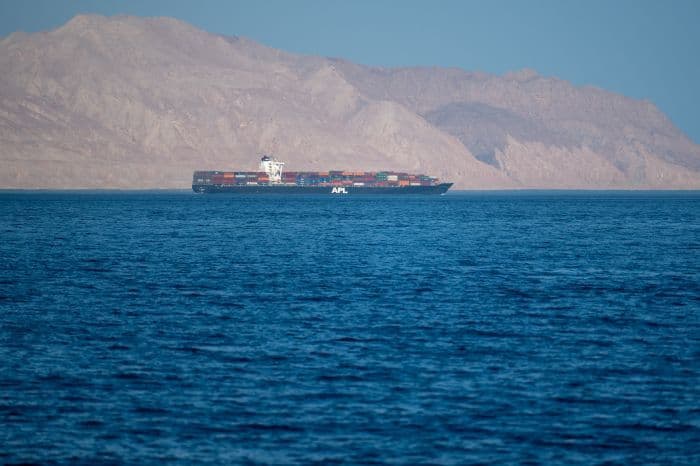
The Persian Gulf region is currently experiencing a significant shortage of empty containers, creating a bottleneck that is impacting global container supply. This situation means that a large volume of empty equipment is trapped on the wrong side of the Strait of Hormuz, unable to be repositioned to where it is needed for exports.
This imbalance is forcing ocean carriers to actively seek out and lease additional containers from equipment providers to meet demand, adding to operational costs and potentially contributing to higher freight rates. For freight forwarders and shippers, this translates into potential delays for cargo departures from the region, increased equipment surcharges, and a general tightening of container availability on key trade lanes. It may also lead to carriers prioritizing certain routes or cargo types, affecting booking flexibility.
While the article does not specify immediate next steps, the ongoing equipment crunch suggests that carriers will continue to adjust their container repositioning strategies and potentially pass on increased leasing costs to customers. Forwarders should monitor equipment availability closely and communicate proactively with their carrier partners regarding booking forecasts.