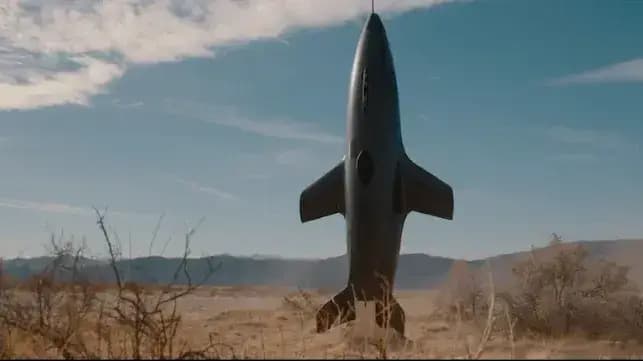
The U.S. Department of Defense is reportedly pursuing a concept for an unmanned strike aircraft that would not require an aircraft carrier for launch and recovery. This development signifies a potential shift in naval aviation strategy, moving towards more distributed and autonomous air power capabilities.
For freight forwarders and supply chain professionals, while this news does not directly impact commercial logistics, it highlights broader trends in defense technology and strategic planning. Advanced naval capabilities can influence geopolitical stability and maritime security, which indirectly affects global trade routes and insurance premiums for shipping. The move towards unmanned systems also reflects a wider technological push for automation and remote operation, a trend observed across various industries, including logistics.
This initiative could lead to changes in how naval forces project power, potentially impacting the security landscape in key maritime trade lanes. The long-term implications for defense spending and technological innovation may also have ripple effects on related industries.