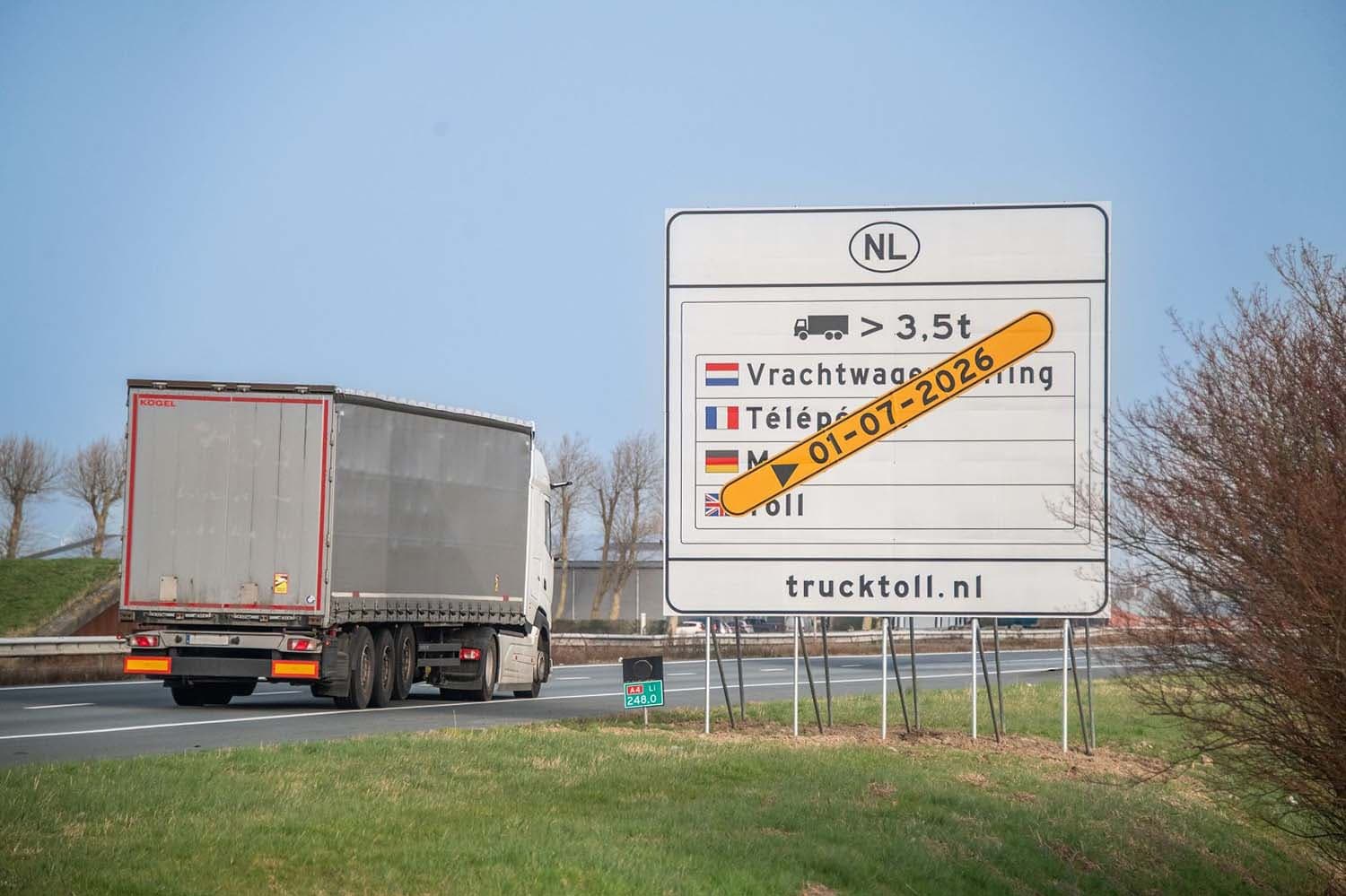
The Netherlands is preparing to launch a new kilometer-based road toll for heavy goods vehicles, effective July 1, 2026. While this initiative brings the country in line with many other European nations that already have similar charges, the Dutch system, overseen by the RDW, incorporates several distinct characteristics that differentiate it from existing European road toll schemes. This divergence means that foreign transport operators and drivers who are not fully aware of these specific requirements risk incurring penalties or experiencing operational delays.
For freight forwarders and logistics professionals, this new toll signifies an additional cost component for road transport through the Netherlands. It is crucial to understand the specific payment mechanisms, registration processes, and vehicle requirements of the Dutch system to avoid unexpected fines. Forwarders should proactively inform their carriers and partners about these changes, ensuring compliance and smooth transit. This could impact route planning and cost calculations for shipments involving Dutch roads, potentially leading to slight increases in overall transport expenses or administrative overhead if not managed efficiently.