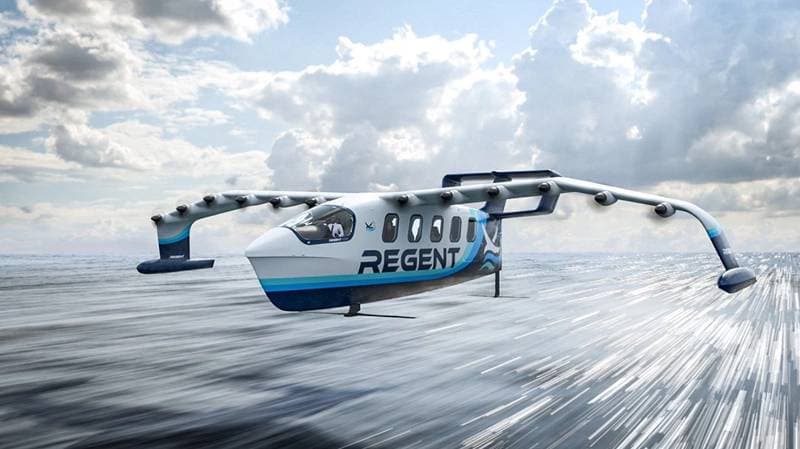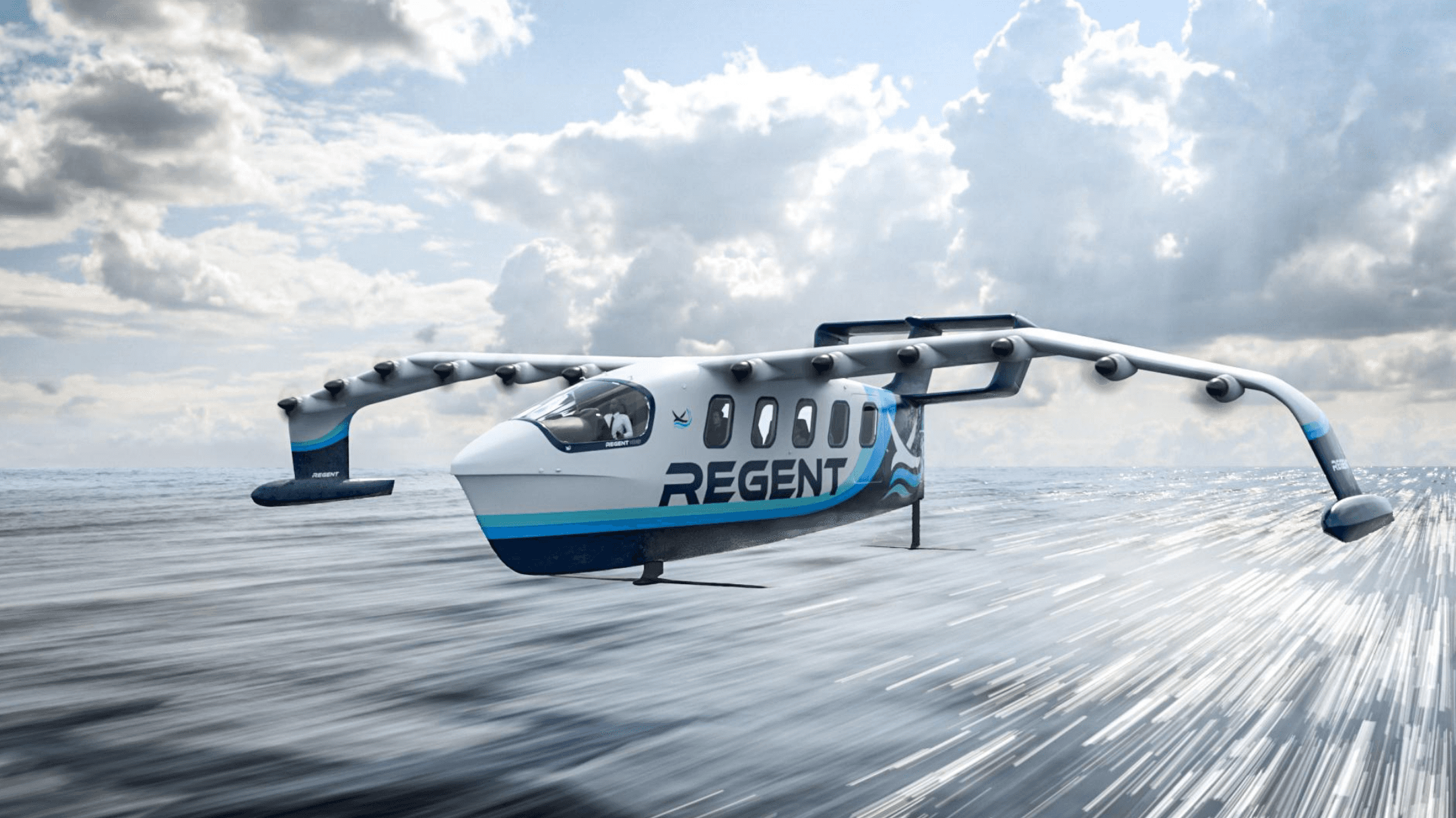
MOL, in collaboration with Japan Airlines (JAL), Lloyd's Register, and REGENT Craft, is actively pursuing the development of certification and approval procedures within Japan for electric Seagliders. This joint effort is focused on establishing a regulatory framework that will allow these innovative vehicles to operate for both passenger and cargo transport. The partners anticipate launching commercial services on coastal and island routes around 2030.
This initiative represents a forward-looking approach to maritime and inter-island connectivity, potentially offering a new mode of transport that combines aspects of air and sea travel. Seagliders, designed to operate just above the water's surface, could provide faster transit times than traditional ferries while being more energy-efficient than conventional aircraft.
For freight forwarders and logistics operations managers, the introduction of Seagliders could open new possibilities for expedited cargo delivery, particularly for time-sensitive goods or routes to remote islands. This may lead to new express service offerings and potentially impact regional supply chain strategies, although initial cargo capacity might be limited. The development could also influence multimodal logistics planning in Japan, creating novel connections between air and sea networks.
Looking ahead, the successful certification and deployment of Seagliders could pave the way for similar technologies in other island nations and coastal regions, potentially transforming short-haul maritime logistics.