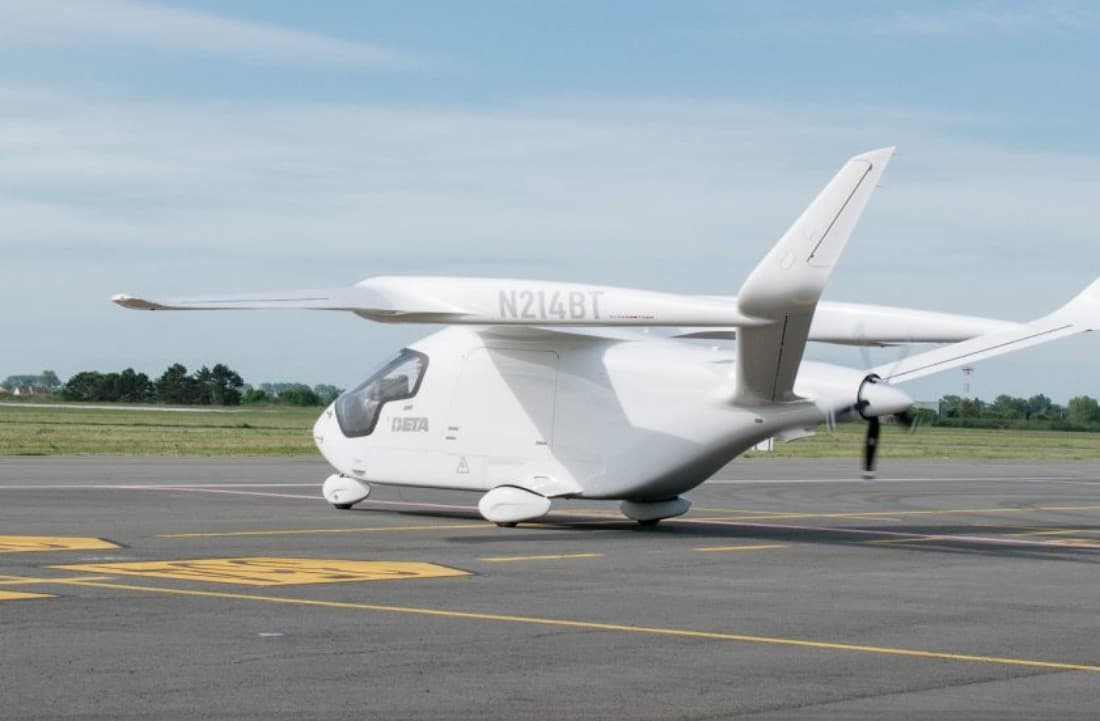
Ostend-Bruges Airport (EBOS) recently marked a significant milestone by becoming the first airport in the Benelux region to welcome a fully electric cargo aircraft. The aircraft, a BETA ALIA CTOL, has a payload capacity of 560 kg and is designed for low-emission air freight operations. This event highlights a growing focus on sustainable solutions within the air cargo sector.
The primary applications for this type of electric aviation are expected to be the urgent transport of critical goods, such as human organs for transplant and essential medicines. The smaller payload and shorter range capabilities of current electric aircraft make them particularly suitable for time-sensitive, regional logistics.
For freight forwarders and operations managers, this development signals the emergence of new, specialized air cargo options. While not yet suitable for high-volume or long-haul shipments, electric cargo planes could offer a more environmentally friendly and potentially faster solution for specific urgent deliveries within regional networks. This might lead to new service offerings in the pharma-logistics and medical supply chains, potentially impacting routing and delivery times for critical goods. Forwarders should monitor the expansion of electric aircraft capabilities and infrastructure to identify future opportunities for niche, sustainable airfreight services.