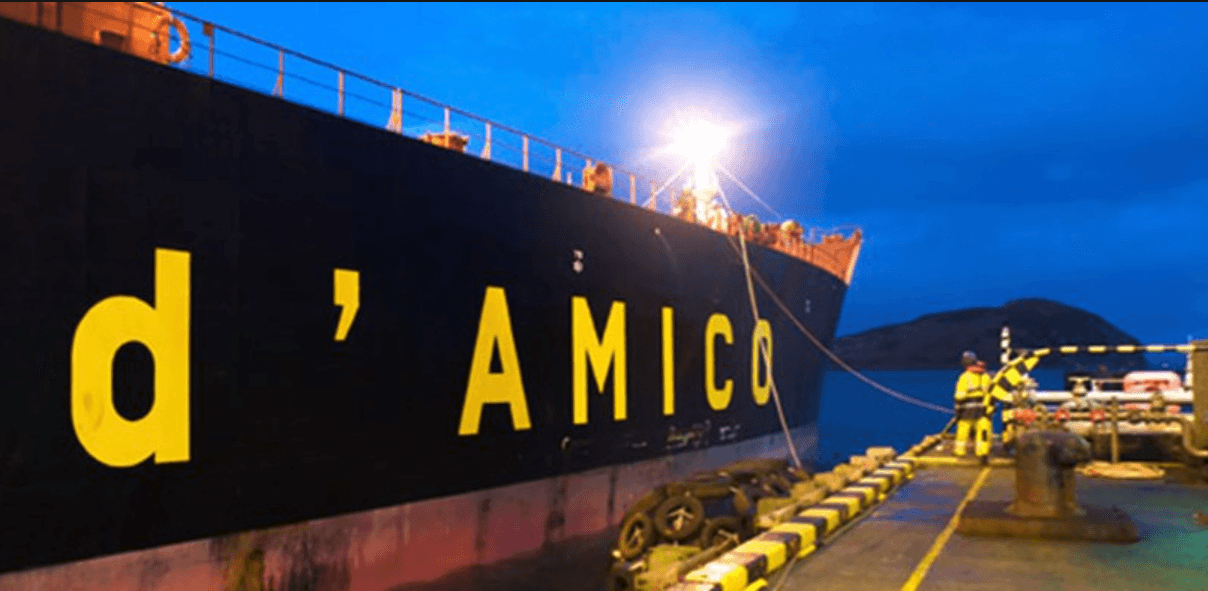
The A.P. Moller-Maersk dual-fuel feeder container ship, Laura Maersk, successfully completed its second bunkering with 100% ethanol fuel. This operation took place in the Port of Rotterdam, utilizing a barge for the fuel transfer. The initial 100% ethanol bunkering for the vessel occurred in the first quarter of 2026, as disclosed in a company report published in May. Prior to these full ethanol bunkering events, Maersk conducted trials in 2025 using 10% and 50% ethanol blends.
This development is part of Maersk's broader strategy to reduce its carbon footprint and explore various alternative marine fuels. The company has been at the forefront of testing and implementing greener fuel options for its fleet, aiming to meet ambitious decarbonization targets.
For freight forwarders and shippers, the increasing use of alternative fuels like ethanol by major carriers such as Maersk indicates a shift in the maritime industry towards more sustainable operations. While direct impacts on immediate rates or capacity might not be evident, it signals a trend where vessel fuel choices could influence future service offerings and potentially lead to new types of bunker adjustment factors (BAFs) or green surcharges. Forwarders should monitor these developments as they could affect routing decisions and overall supply chain costs in the long term, especially for shippers with strong sustainability mandates.
Maersk has indicated that this latest 100% ethanol bunkering was conducted on a larger scale than previous operations, suggesting a growing confidence in ethanol as a viable marine fuel.