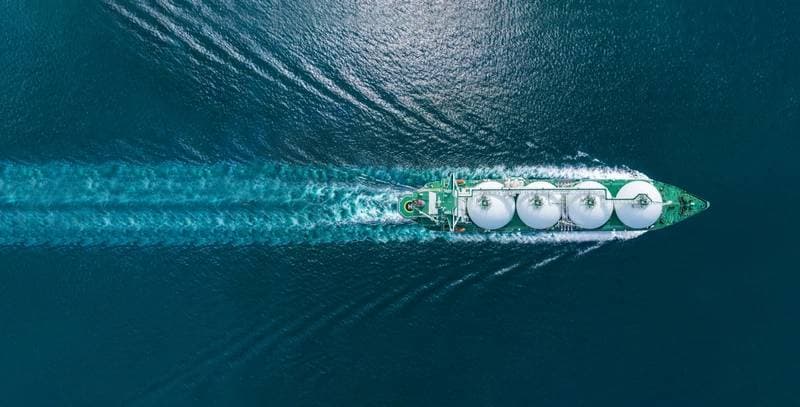
Shipping data indicates a partial resumption of maritime traffic through the Strait of Hormuz, with two oil product tankers exiting the chokepoint and a liquefied natural gas (LNG) carrier loading cargo in the United Arab Emirates. This marks a notable, albeit limited, return of activity following a period of significantly reduced vessel movements in the region.
This development occurs against a backdrop of ongoing geopolitical tensions in the Middle East, which have previously led to disruptions and increased security measures for vessels operating in the Persian Gulf and surrounding waters. The Strait of Hormuz is a vital global energy transit point, and any instability there has far-reaching implications for international trade.
For freight forwarders and shippers, this limited resumption of activity suggests that while the Strait remains a viable route, caution is still paramount. Continued geopolitical risks in the region may lead to fluctuating war risk insurance premiums and potential delays or rerouting decisions. Forwarders should monitor the situation closely for any changes in security advisories or operational guidance from carriers, as these factors directly influence transit times and overall logistics costs. The movement of LNG and oil products highlights the strategic importance of this waterway for energy supply chains.
No specific future developments were mentioned in the source article.