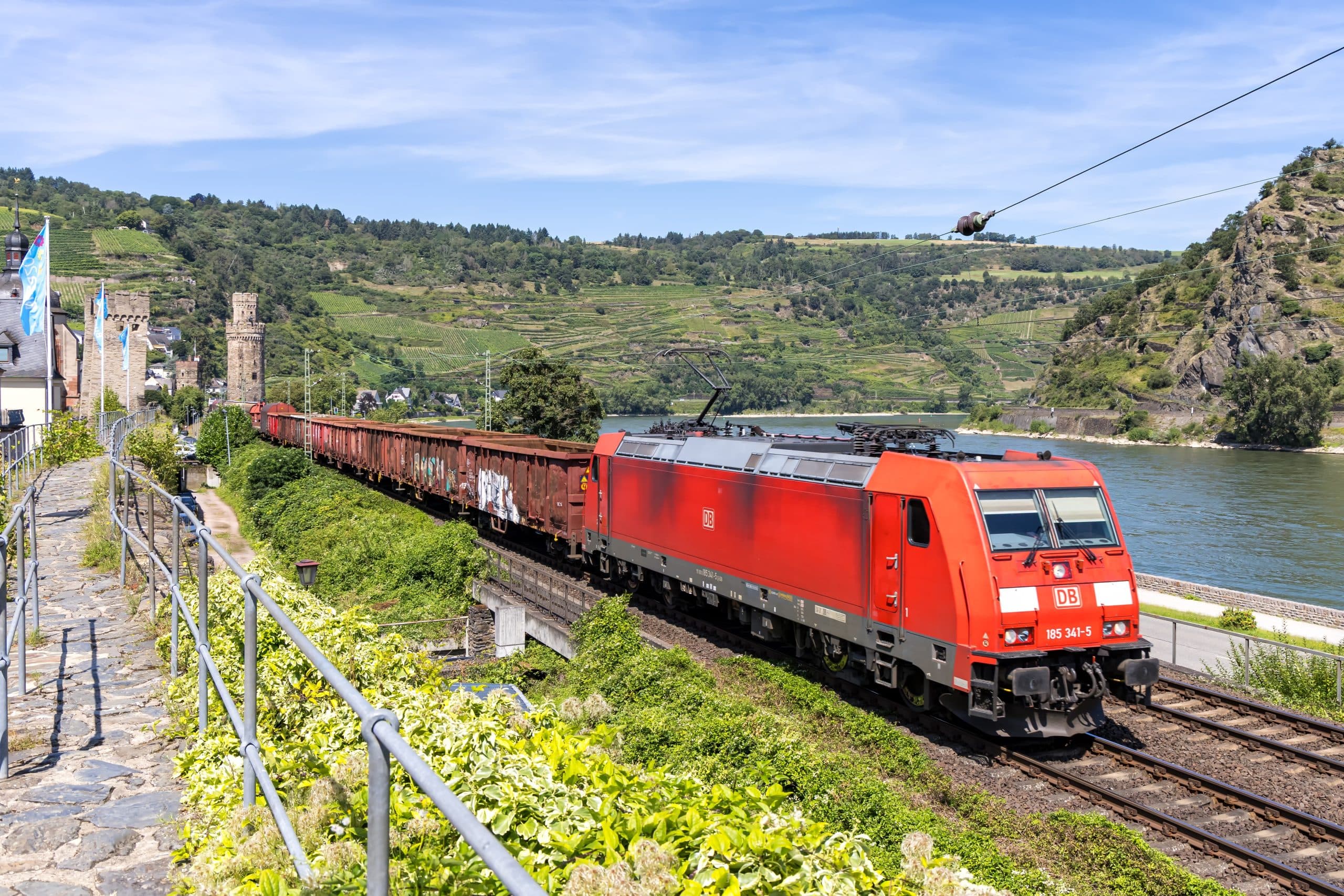
Latvia's government has issued a warning regarding Russia's recent decision to implement a 100% increase in rail freight tariffs for cargo destined for Latvia, Estonia, and Finland. This substantial tariff hike, announced in May, is projected to have a devastating effect on the viability of rail freight operations in these Baltic states.
The context for this development lies in the ongoing geopolitical tensions, which have increasingly impacted trade and logistics between Russia and its European neighbors. The tariff increase is seen as a move that could further isolate these countries from traditional rail routes and cargo flows originating from or transiting through Russia.
For freight forwarders and logistics managers, this tariff doubling translates into a critical challenge. The sudden and significant rise in costs will likely render many existing rail contracts and planned shipments economically unfeasible. This could force a rapid re-evaluation of routing options, potentially shifting cargo to other modes like sea or road, or exploring alternative rail corridors that bypass Russia entirely. Forwarders should anticipate increased transit times and higher overall logistics costs for cargo moving to or from Latvia, Estonia, and Finland, particularly for goods that traditionally relied on Russian rail networks. The capacity on alternative routes may also become strained, leading to further price volatility.
While the article does not specify immediate next steps, the warning from Latvia suggests that the country will likely explore diplomatic avenues or seek compensatory measures to mitigate the economic fallout. Shippers and forwarders should closely monitor the situation for further policy changes or potential retaliatory measures that could affect regional freight movements.