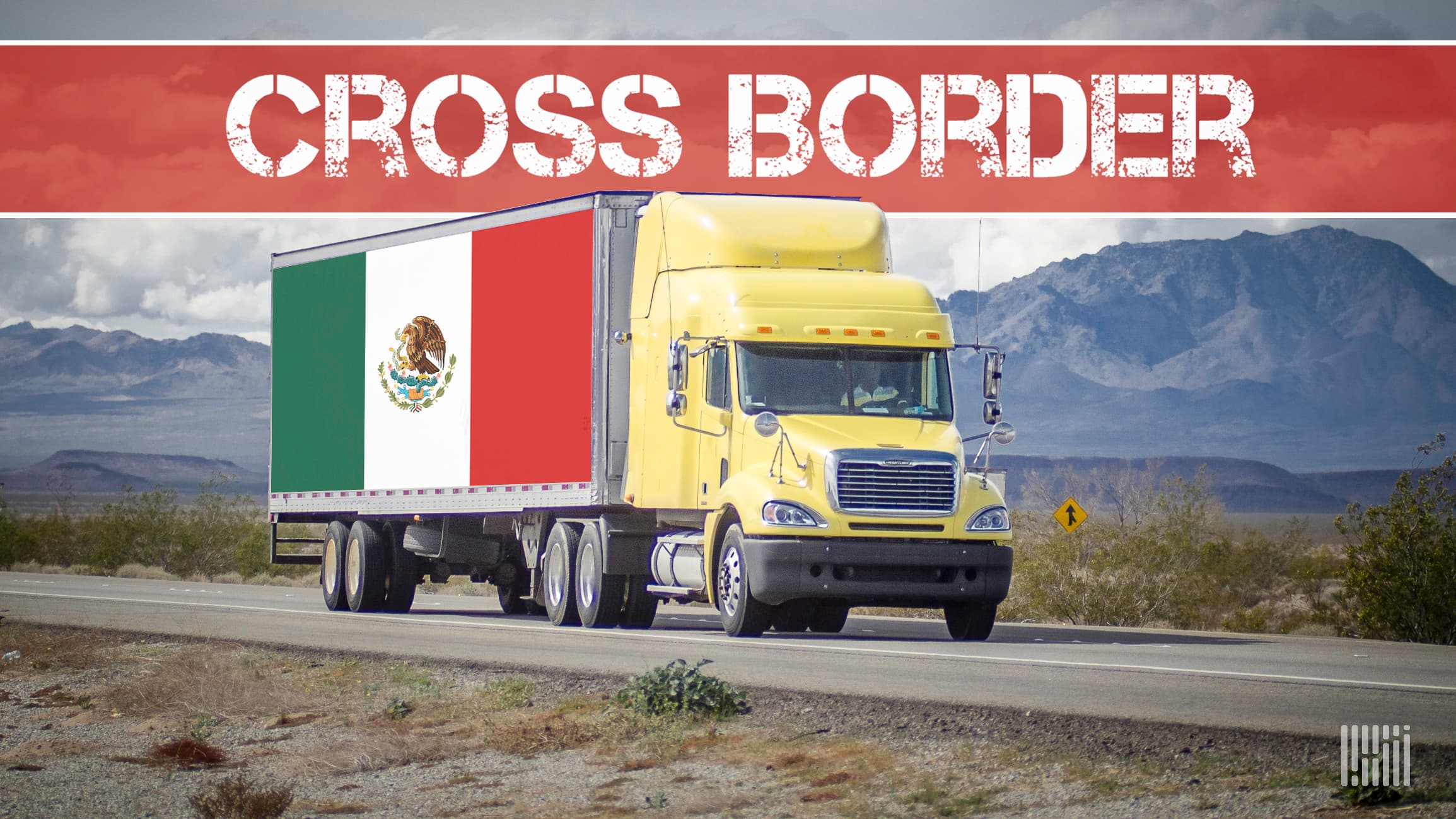
A recent summit held in Laredo, Texas, brought together stakeholders to discuss critical developments in cross-border logistics between the U.S. and Mexico. Key topics included the feasibility and implementation of driverless freight corridors, which could revolutionize efficiency and reduce transit times. Additionally, the summit addressed the use of B-1 visas for Mexican truckers, a program designed to facilitate their operations within the United States.
For freight forwarders and operations managers, these discussions are highly relevant. The potential introduction of autonomous freight corridors could significantly alter existing cross-border trucking operations, potentially leading to faster transit times and reduced labor costs in the long term. However, it also raises questions about infrastructure readiness, regulatory frameworks, and the integration of autonomous vehicles into current supply chain processes. The focus on B-1 visas for Mexican truckers indicates an ongoing effort to address driver shortages and streamline border crossings, which could impact capacity and pricing for cross-border road freight services. Forwarders should monitor these developments closely for potential shifts in operational strategies and cost structures.