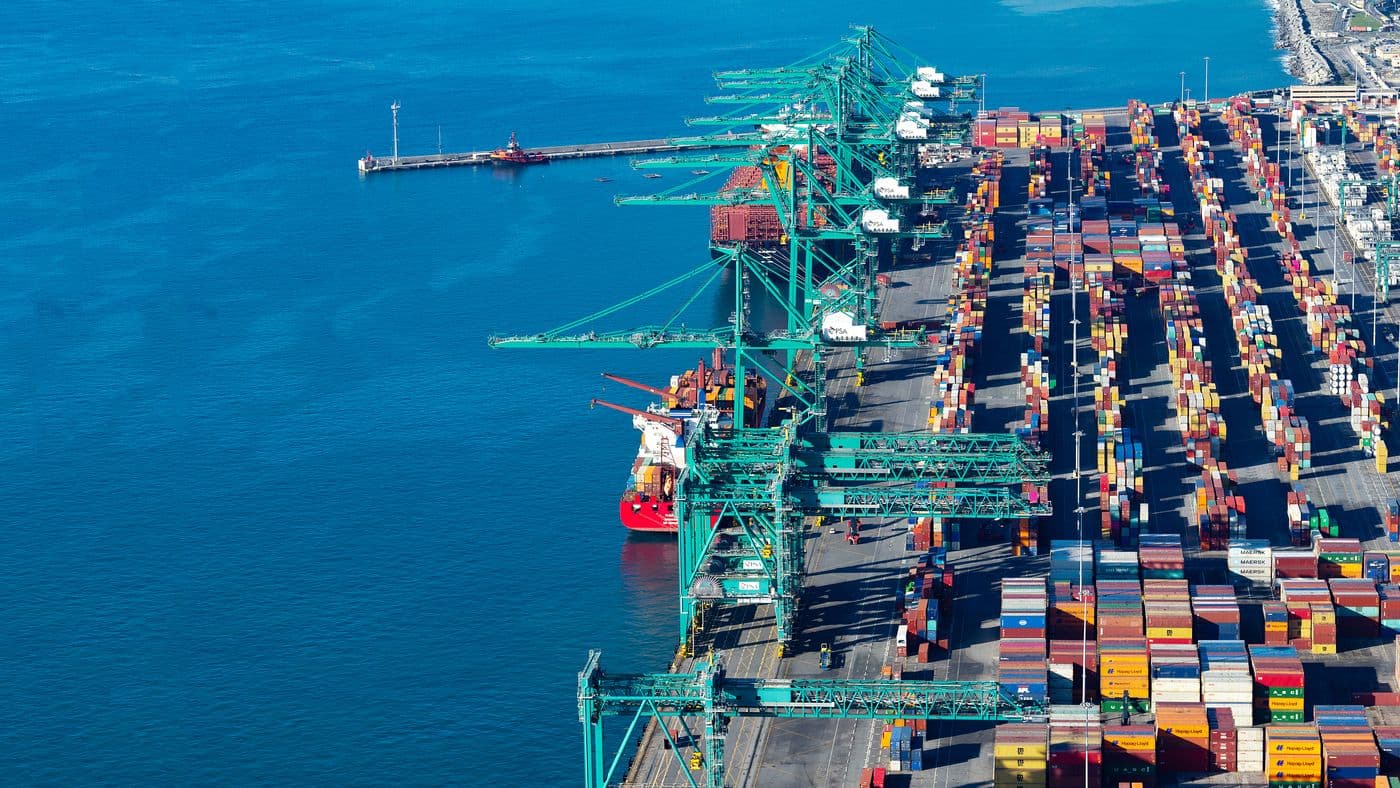
Italian container ports demonstrated robust throughput performance throughout 2025. A key focus for these ports has been increasing investments in shore power facilities, aiming to enhance sustainability and reduce emissions from berthed vessels. However, efforts to encourage a modal shift, moving cargo from road transport to more environmentally friendly rail, are being hampered by ongoing constraints in rail capacity.
For freight forwarders and operations managers, this situation presents a mixed picture. While the growth in port throughput indicates healthy trade volumes, the bottleneck in rail capacity means that inland distribution, particularly for larger volumes, may continue to rely heavily on road transport. This could lead to increased lead times, higher costs due to road congestion and fuel prices, and potentially less predictable delivery schedules for cargo moving to and from Italian ports. Forwarders should factor these rail limitations into their planning for European distribution, especially when optimizing multimodal routes involving Italy.