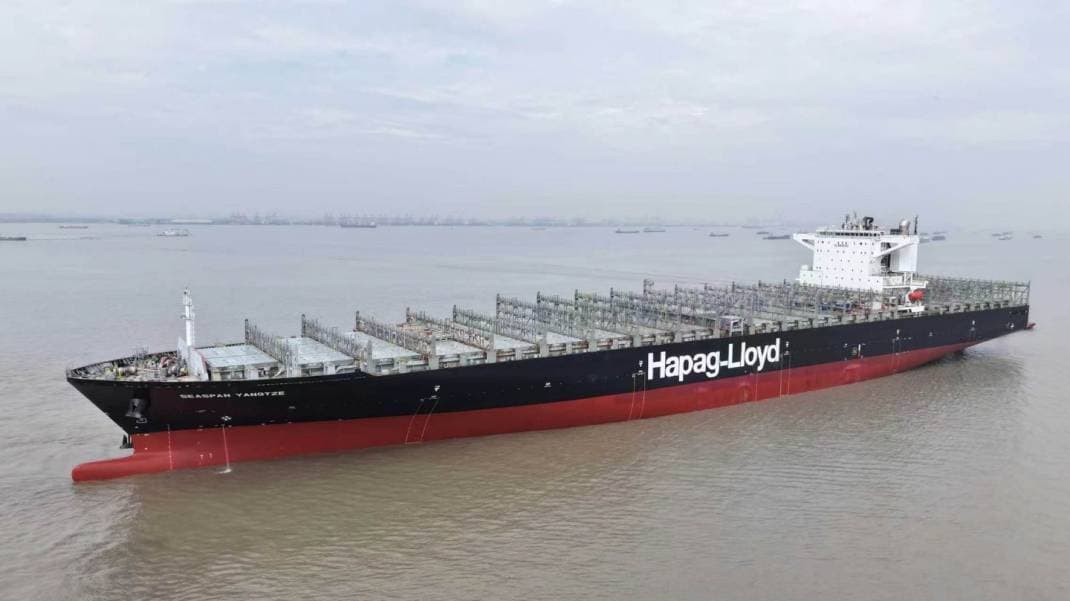
Hapag-Lloyd, in collaboration with Seaspan Corporation, has announced the successful conversion of the container vessel "Seaspan Yangtze" to a methanol dual-fuel engine. This achievement represents the first milestone in a joint retrofit program aimed at upgrading five chartered container ships, each with a capacity of 10,100 TEU. The "Seaspan Yangtze" was originally equipped with a conventional MAN S90 engine, which has now been modified to enable operation on both traditional fuels and methanol.
This initiative is part of a broader industry trend towards decarbonization and the adoption of alternative marine fuels. Methanol is gaining traction as a viable option due to its lower carbon emissions compared to heavy fuel oil, and its increasing availability. The conversion process involves significant engineering and technical modifications to the vessel's engine and fuel systems.
For freight forwarders and shippers, this development signals a gradual shift towards greener shipping solutions. While the immediate impact on rates or capacity may be minimal, the long-term trend suggests more carriers will offer services using alternative fuels. This could lead to new "green" service offerings, potentially with premium pricing, allowing shippers to reduce their Scope 3 emissions. Forwarders should monitor the expansion of such fleets and the availability of methanol bunkering infrastructure, as these factors will influence future route planning and carrier selection for environmentally conscious clients. The program's completion will contribute to Hapag-Lloyd's overall sustainability targets and provide more eco-friendly options for its customers.