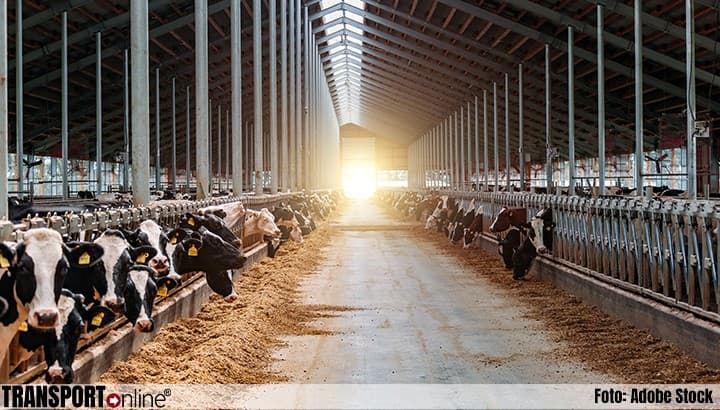
The provincial government of Gelderland, Netherlands, has confirmed its commitment to maintaining 500-meter buffer zones around the Veluwe and three other ecologically vulnerable nature areas. Within these designated zones, stringent measures will be enforced to substantially decrease nitrogen emissions. Key policies include a ban on establishing new livestock farms and a requirement for existing agricultural operations to adopt innovative stable technologies aimed at reducing their nitrogen output.
This decision reflects ongoing efforts in the Netherlands to address environmental concerns related to nitrogen deposition, which impacts biodiversity in sensitive natural habitats. The Veluwe, a large nature reserve, is particularly susceptible to such environmental pressures.
For freight forwarders and logistics operations, especially those involved in agricultural transport or construction projects within Gelderland, these regulations could lead to increased scrutiny and potential restrictions on routes or vehicle types, particularly for heavy-duty vehicles that contribute to nitrogen oxide emissions. Businesses might face longer lead times for permits or be required to demonstrate compliance with stricter environmental standards, potentially affecting operational costs and efficiency for road transport in the region. The emphasis on reducing emissions could also accelerate the adoption of cleaner vehicle technologies in the long term.