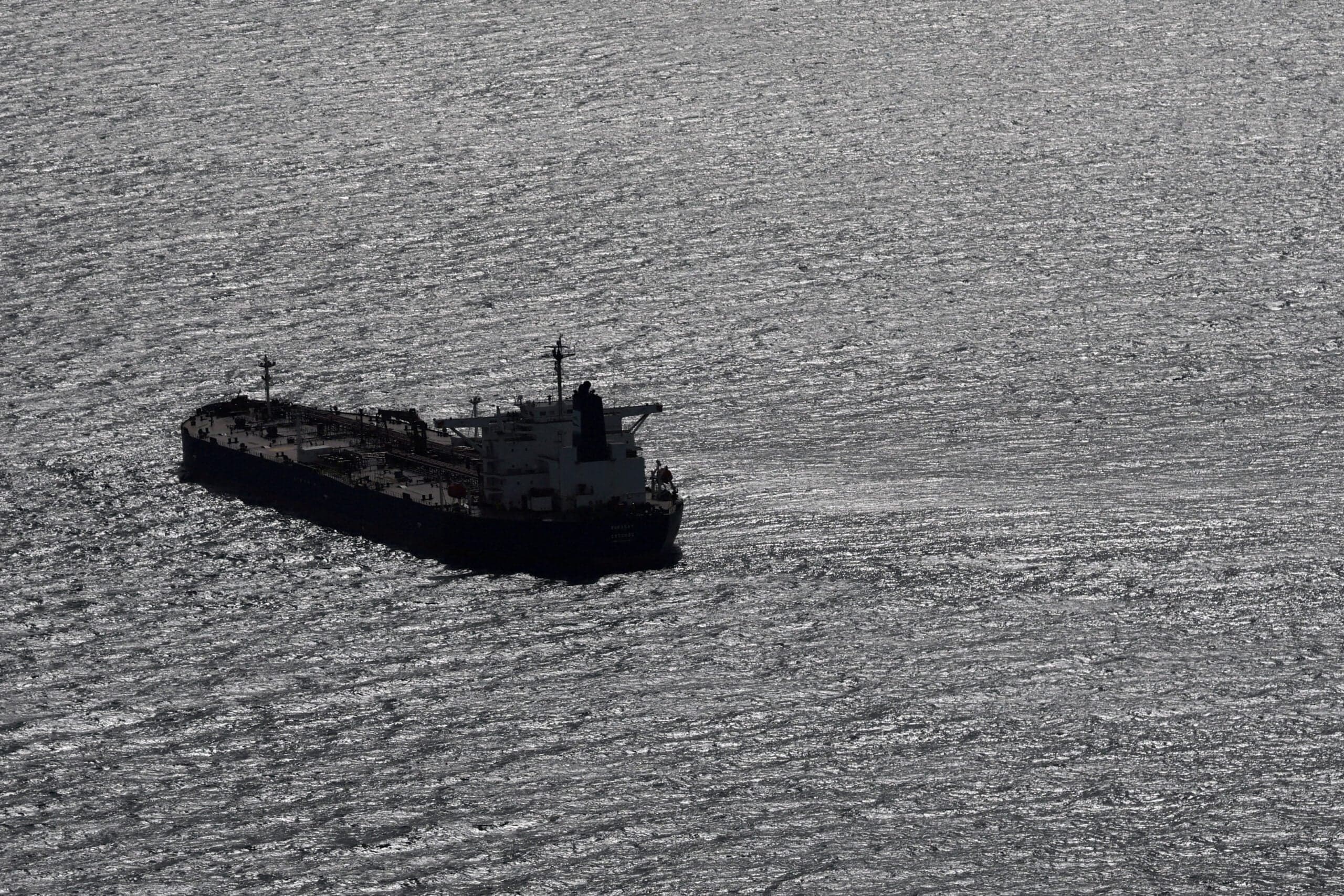
The European Commission has unveiled its 21st package of sanctions against Russia, aiming to further cripple the country's economic and military capabilities. The new measures specifically target Russia's financial institutions, its "shadow fleet" of vessels used to circumvent existing oil price caps, and its liquefied natural gas (LNG) exports. Additionally, the sanctions seek to disrupt military supply chains by restricting access to critical components and technologies.
This latest round of sanctions builds upon previous efforts to isolate Russia economically following its actions in Ukraine. By focusing on the shadow fleet, the EU intends to close loopholes that have allowed Russia to continue exporting oil and generating significant revenue, often through opaque shipping practices and older vessels operating with less scrutiny. The inclusion of LNG exports marks an expansion of energy-related sanctions, which previously concentrated on pipeline gas and crude oil.
For freight forwarders and shippers, these sanctions could introduce increased complexity and risk, particularly for those involved in maritime transport. The targeting of the shadow fleet may lead to heightened scrutiny of vessel ownership, flagging, and insurance, potentially increasing compliance burdens and due diligence requirements. Companies inadvertently involved with sanctioned entities or vessels could face severe penalties. Furthermore, any disruption to LNG exports could impact global energy markets and shipping routes, influencing bunker prices and vessel availability in certain regions. Forwarders will need to meticulously vet their supply chains and partners to ensure full compliance and avoid exposure to sanctioned activities.
The proposed package will now undergo review and approval by EU member states before coming into effect. The Commission continues to monitor the effectiveness of existing sanctions and adapt its strategy based on geopolitical developments and Russia's responses.