The National Oceanic and Atmospheric Administration (NOAA) has formally announced the onset of El Niño, a significant climate pattern. Forecasters predict this particular El Niño could develop into one of the most powerful on record, potentially leading to widespread meteorological and hydrological impacts globally.
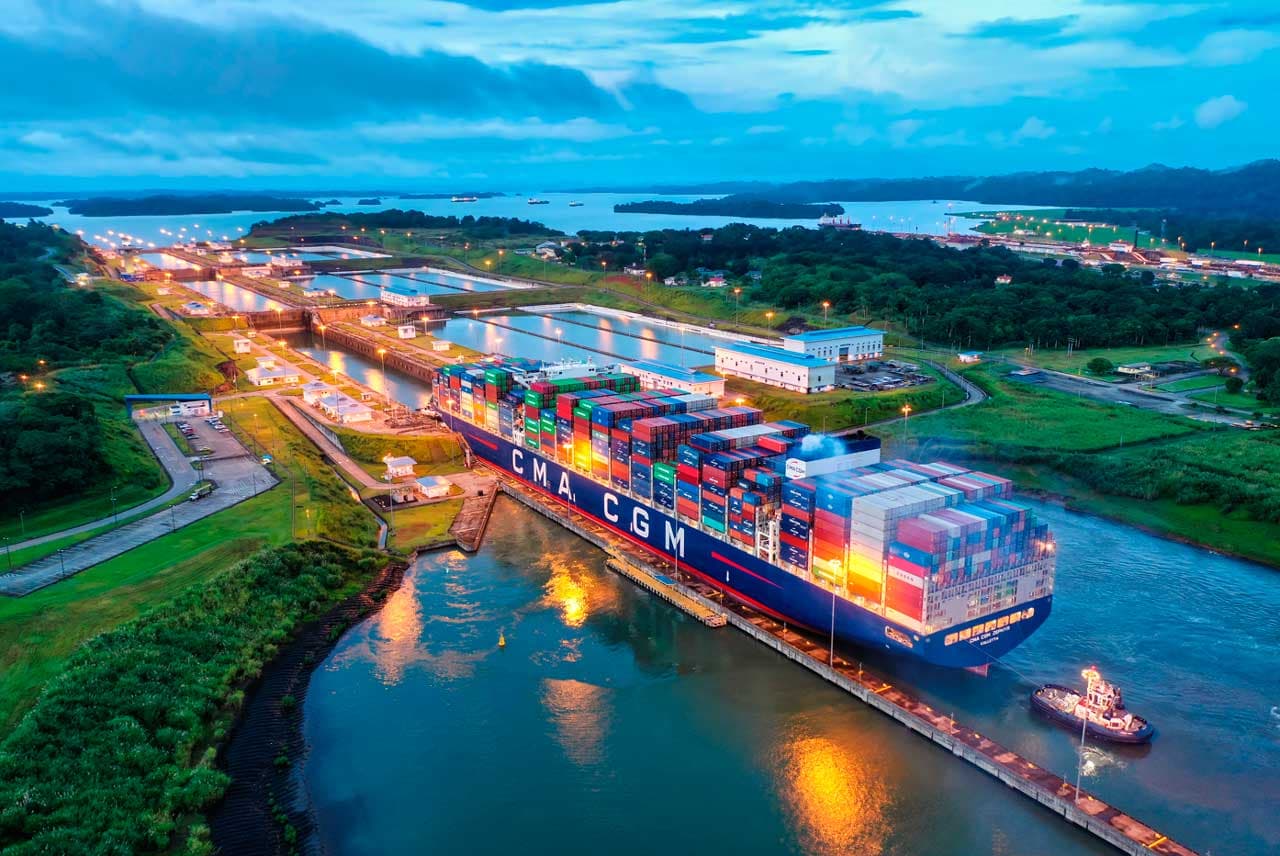
This declaration follows an earlier action by the Panama Canal Authority, which implemented its initial vessel draft restriction of 2026 in response to the emerging El Niño conditions. Historically, strong El Niño events are associated with reduced rainfall in certain regions, which can lower water levels in critical waterways like the Panama Canal, affecting transit capacity and efficiency.
For freight forwarders and shippers, the confirmed El Niño and its projected intensity suggest a high likelihood of continued and possibly more severe operational challenges. The immediate impact is evident in the Panama Canal, where draft restrictions mean vessels must carry less cargo or offload goods for alternative transport, leading to increased costs and longer transit times. This could force some carriers to reroute, adding pressure to other trade lanes or modes. Forwarders should anticipate potential disruptions in other regions as well, depending on El Niño's evolving effects on weather patterns, which could include altered monsoon seasons, increased storm activity, or droughts impacting inland waterways and port operations globally. Proactive planning for alternative routes and modes, as well as close monitoring of canal advisories and regional weather forecasts, will be crucial.