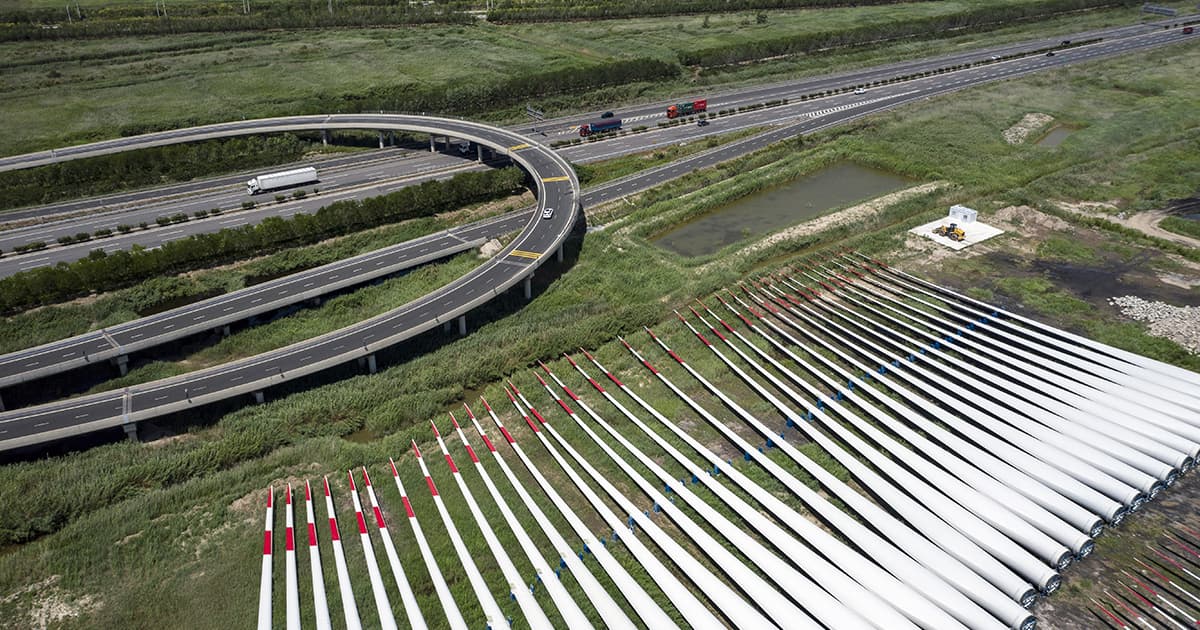
DHL projects a significant increase in its energy logistics revenue, aiming for $3.5 billion by 2030. This growth is primarily fueled by the escalating global demand for clean energy technologies, particularly large wind turbines and batteries. The company highlights that the transportation of these components presents unique logistical challenges due to their substantial size and, in the case of batteries, their hazardous material classification.
For freight forwarders and operations managers, this trend indicates a growing market for specialized logistics services. However, it also signals increased complexity in planning and executing shipments. Forwarders should anticipate higher costs and longer lead times for oversized cargo requiring specialized equipment, permits, and route surveys. The handling of hazardous batteries will necessitate compliance with strict regulations, specialized packaging, and trained personnel, potentially impacting capacity and routing options for these specific types of goods. This could lead to a greater reliance on project cargo specialists and multimodal solutions to navigate the unique requirements of clean energy supply chains.