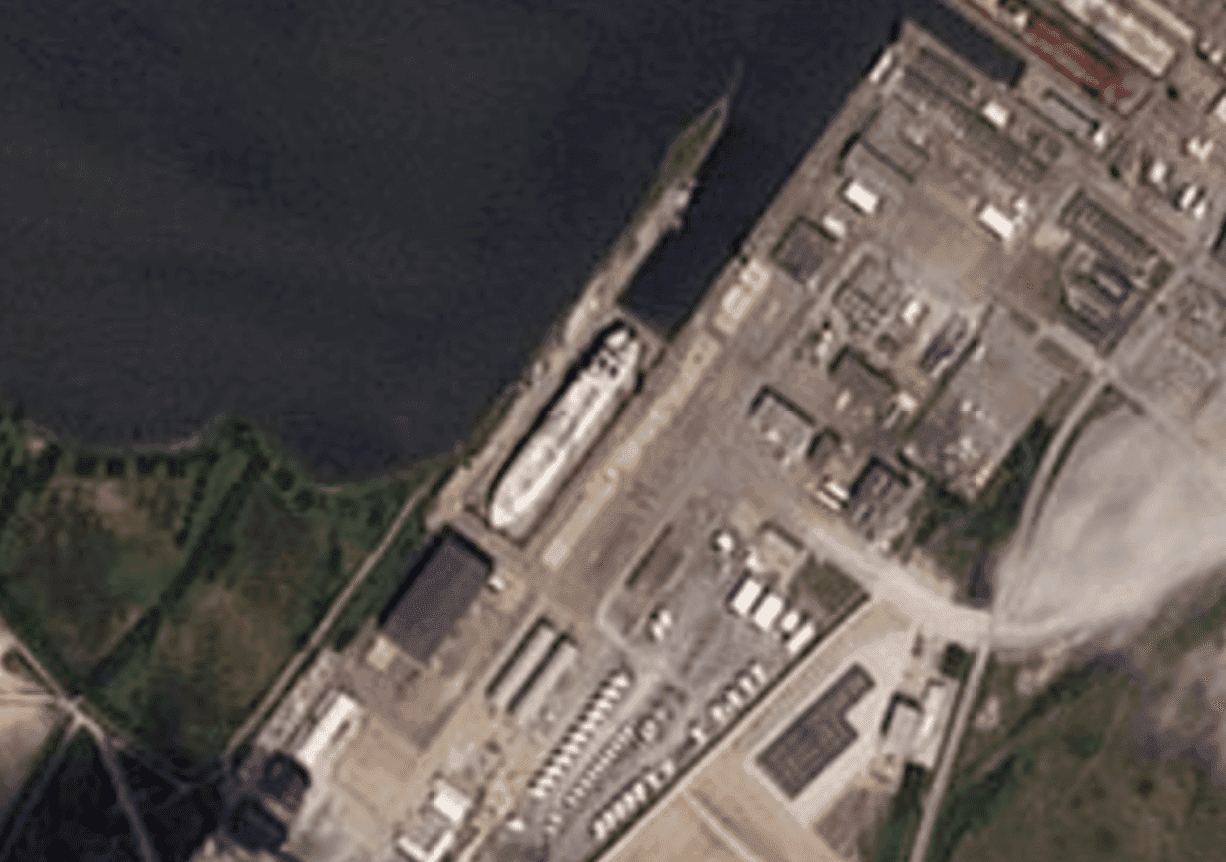
The Danish shipyard Fayard is reportedly the last remaining European Union facility that continues to provide maintenance and repair services for Russia's Yamal LNG carrier fleet. This ongoing service is expected to extend through at least the summer, even as the European Union implements stricter sanctions against Russia, leading other Western shipyards to cease their involvement with Russian vessels.
This situation presents a unique challenge for freight forwarders and supply chain analysts. While direct sanctions on Russian energy exports impact trade flows, the continued maintenance of critical transport infrastructure, like LNG carriers, by an EU entity underscores the complexities and potential loopholes in sanction enforcement. For forwarders, this means that the operational capacity of a segment of Russia's energy fleet remains stable, potentially influencing global LNG supply dynamics and routing, even as other aspects of Russian shipping face severe restrictions. The continued operation of these vessels could affect charter rates and vessel availability in the broader LNG market, albeit indirectly. The situation also highlights the need for forwarders to monitor the evolving sanctions landscape closely, as any change to Fayard's policy could have immediate repercussions for the Yamal fleet's operational viability.